
Food and beverage executives updated investors on a wide range of supply chain issues during the Barclays Global Consumer Staples Conference in early September.
Executives in the conference’s hot seat included leaders from Celsius Holdings, Constellation Brands, General Mills, McCormick & Co., Mondelēz International and Nestlé.
Each company had one thing in common: They are focused on cutting costs and optimizing operations for their businesses, including within the supply chain.
Constellation Brands, for example, is on track to achieve a forecasted $200 million in savings by fiscal year-end, partially by building “real discipline” in its supply chain. Meanwhile, McCormick & Co. expects to cut procurement costs by $240 million following its merger with Unilever Foods and Nestlé is reducing underperforming stock and SKUs in China.
Here’s what six food and beverage companies said during the conference about how they are using their supply chains to bolster business performance.
Constellation to cut $200M in supply chain costs
Constellation Brands is on track to achieve its projected $200 million in cost savings by fiscal 2028, which starts March 1, 2027, EVP and CFO Garth Hankinson said.
The beer, wine and spirits maker has generated more than $600 million in procurement, logistics and operations savings since 2023 by focusing on its end-to-end supply chain, Hankinson said.
“We're building real discipline and muscle in that space,” Hankinson said. “And we think that there will be meaningful cost savings agendas in every year going forward.”
However, the company faces unforeseen inflationary headwinds expected to impact margins in the second half of the current fiscal year, Hankinson said.
The most notable is the supply-demand imbalance in trucking, Hankinson said. Macroeconomic conditions also have raised commodity prices, which will affect the company’s gross profit margin in the second half of the fiscal year.
McCormick chases lower procurement costs
McCormick & Co. expects lower procurement costs to account for 40% of the $600 million in recurring annual expense reductions the company forecasts for the three years following the completion of its $44.8 billion merger with Unilever, EVP and CFO Marcos Gabriel said. The two companies previously indicated the deal would close in mid-2027.
The $240 million in run-rate savings will come from inputs used directly in the combined companies’ products and packaging, Gabriel said.
“There is roughly 50% overlap across our top 100 suppliers, and we see inefficiencies in long-tail spend,” Gabriel said.
To lower procurement costs, the companies can use their combined scale to “buy smarter and more consistently,” Gabriel said. They also can standardize comparable ingredients, materials and product requirements across the merged company.
Celsius optimizes freight after acquisitions
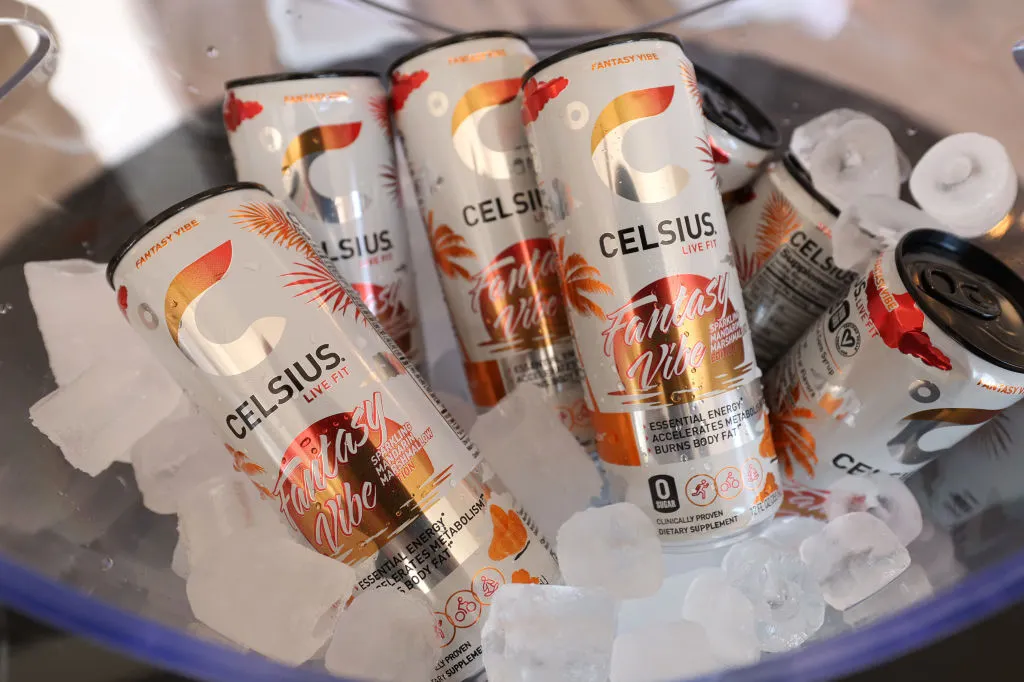
Celsius Holdings integrated its 2025 brand acquisitions, Alani Nu and Rockstar Energy, into its supply chain in the first half of 2026, CFO Jarrod Langhans said. The next step is optimizing cost structure, such as freight per case.
Today, freight rates for Alani and Rockstar are higher than for Celsius’ namesake energy drink, Langhans said. So, the beverage maker is working at getting more rate consistency through less “out-of-orbit” and cross-country transportation.
The company also wants to improve freight rates for the Celsius brand, Langhans said.
General Mills spreads AI within the supply chain
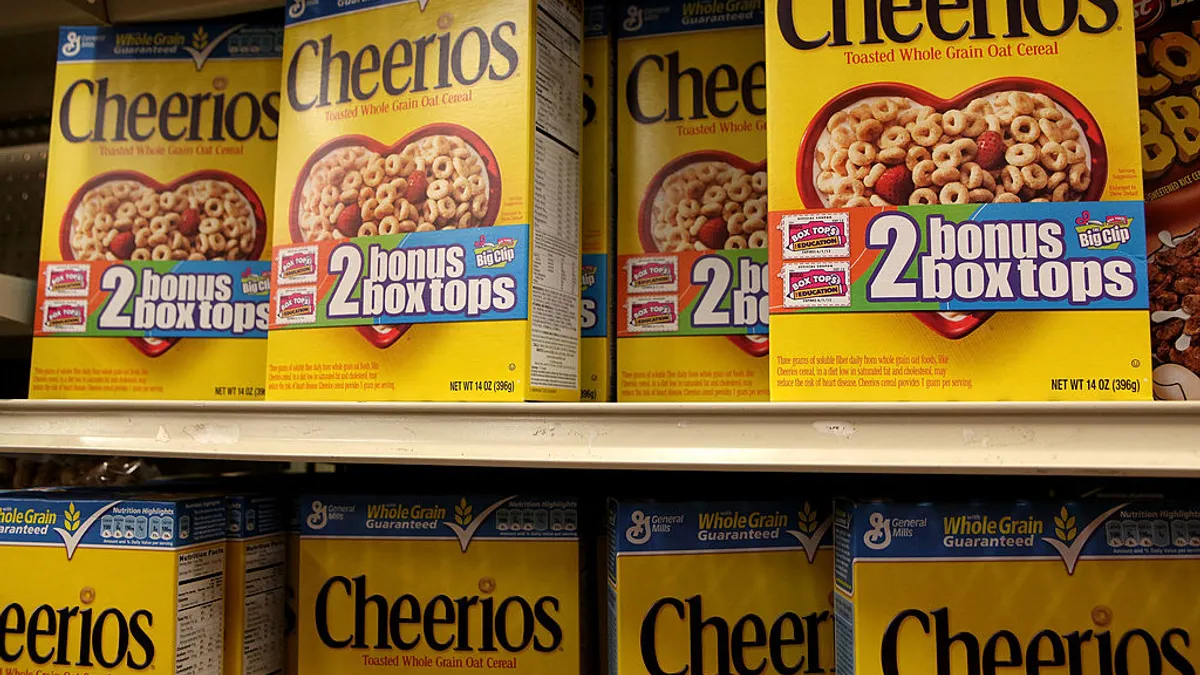
General Mills is using artificial intelligence for demand forecasting, logistics planning and manufacturing optimization as it right-sizes its supply chain for growth, COO Dana McNabb said.
General Mills has said it expects its ongoing supply chain revamp to deliver $1 billion in savings by 2030 through business process improvements and new approaches to technology and operating models.
At the same time, General Mills has experienced a 40% increase in logistics costs from a year ago, CEO Jeffrey Harmening said. However, the increase is in the spot rate, which accounts for about 7% of General Mills’ freight.
Nestlé reduces SKUs in China
Nestlé’s SKU count in China grew over the past year as the company pursued innovation in a fast-paced market, leaving it with a proliferation of options, EVP and CFO Anna Manz said.
The snack maker has since pulled back, removing underperforming stock and SKUs from the system and consolidating distributors where it has too many, Manz said.
“We haven't done a good enough job of driving the consumer pull,” Manz said. “So, what you've seen us do over the course of this last year is, firstly, revisit our route to market.”
However, category market share in China is declining, “so it's going to take us a little bit of time to go from a share loss situation to consistently holding share and then outperforming our categories,” Manz said.
Mondelēz says cocoa market has stabilized
Mondelēz International reported stabilization in the cocoa market after years of volatility that led the company to shift some of its product mix to items less reliant on the key sourcing input.
Today, the market is oversupplied, and what has been made over the last couple of years is more than sufficient to cover the previous deficit that depleted stocks, EVP and COO Luca Zaramella said.
“Fundamentally, when you look at supply and demand and you also consider the fact that outside of Africa, many countries are growing double digit their supply, I think cocoa in terms of supply and demand for the years to come is in a much different situation and a much better one,” Zaramella said.