
Manufacturing has become one of the strongest defenders of something the modern labor market increasingly struggles to protect: a true starting point.
As entry-level roles across many industries drift out of reach, manufacturing continues to design jobs that assume people will learn, grow, and develop through experience. This commitment matters not only for workers trying to enter or reenter the workforce but also for employers and communities that rely on sustainable talent pipelines.
In a labor market where more than 85% of hiring managers say entry-level jobs now require more skills than in the past, and more than 80% of job seekers agree, access has become a defining challenge. Manufacturing stands out because it has resisted the quiet inflation of expectations that has transformed many so-called entry-level roles into something far harder to reach.
Why entry-level jobs matter more than they used to
Entry-level jobs do more than fill shifts. These roles teach fundamentals that cannot be learned in classrooms or through credentials alone, such as communication under pressure, accountability for outcomes, and problem-solving in real environments. When entry-level access narrows, the effects accumulate over time:
- Workers struggle to gain early momentum
- Employers lose the ability to develop talent internally
- Leadership and skills gaps emerge years later
It’s no coincidence that in a recent Express Employment Professionals-Harris Poll survey, nearly 9 in 10 hiring managers said entry-level jobs are fundamental to their company’s future success. Without them, the entire workforce pipeline weakens.
Manufacturing has long understood this connection.
How manufacturing designs entry-level jobs for growth
Manufacturing environments remain complex, fast-moving, and increasingly technology-driven. Yet rather than using that complexity as a barrier, many manufacturers use it as a training ground.
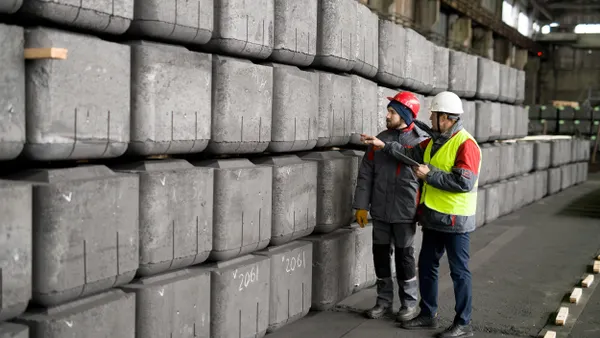
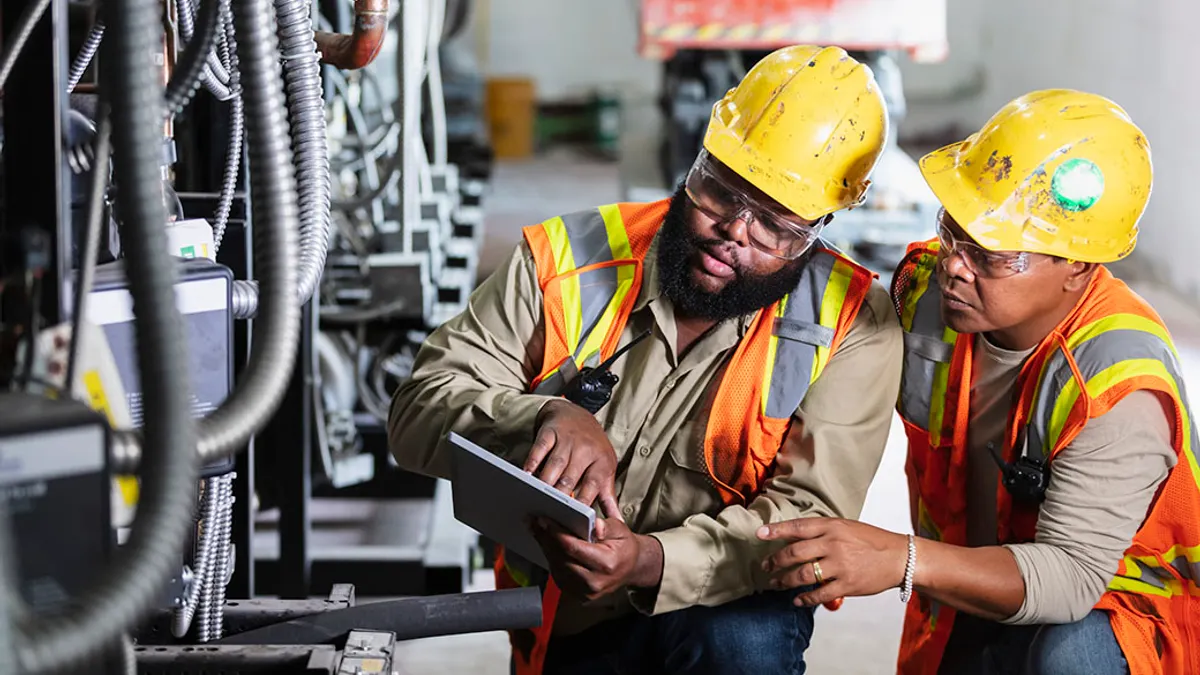
Entry-level manufacturing jobs are often structured to welcome people with limited experience while exposing them to meaningful responsibility from day one. Skills are built through structured onboarding, hands-on work, and close collaboration with experienced teammates.
This model recognizes a basic reality. Workers who understand the flow of operations and the realities of production become stronger contributors over time. That understanding is earned through experience, not assumed at hire.
Because of this, manufacturing continues to treat entry-level jobs as developmental by design rather than purely transactional.
Technology changed the work but not the need to start somewhere
Like every sector, manufacturing has felt the impact of automation and AI. Many routine tasks are now handled by systems, and nearly two-thirds of hiring managers say these technologies allow them to operate with fewer workers. Six in 10 believe it’s more efficient to use technology for tasks traditionally assigned to entry-level roles.
In many industries, that shift has reduced opportunity. But in manufacturing, it has reshaped it.
Modern entry-level manufacturing roles commonly involve:
- Monitoring automated and semi-automated systems
- Identifying issues before they become disruptions
- Coordinating with teammates across shifts
- Applying judgment in physical and time-sensitive settings
Rather than removing learning opportunities, these roles introduce complexity earlier, and technology becomes a tool for growth rather than a barrier to entry.
Manufacturing keeps access wide and opportunity visible
Another reason manufacturing excels at entry-level employment is the access it creates for a range of workers.
These roles often serve:
- Young people entering the workforce
- Individuals changing careers
- Workers returning to the workforce after time away
- People whose skills were built outside traditional academic paths
In manufacturing, performance is visible and progress is tangible. Workers earn credibility by contributing, learning quickly, and solving problems in real time. This transparency broadens access and improves retention, as employees can clearly see where growth leads.
For employers, this approach expands the talent pool and creates a more sustainable mix of internal development and external hiring. For workers, it offers something increasingly rare: a chance to grow into a career rather than prove readiness for one upfront.
What manufacturing gets right about entry-level work
Entry-level jobs are not optional. They are foundational to workforce readiness and economic stability. When industries unintentionally redefine them out of reach, the consequences surface slowly but persistently.
Manufacturing demonstrates that efficiency and access can reinforce each other. By preserving true starting points and pairing them with real training and development, the industry continues to build careers rather than hoping to hire fully developed talent.
At a time when the meaning of entry-level is tightening across the economy, manufacturing stands out by remembering a simple truth. Strong workforces are built from the ground up, and every strong career still begins with a job that leaves room to learn.