Dive Brief:
- RTX subsidiary Raytheon has received two contracts with the Department of Defense to accelerate production of two Standard Missile interceptor models at its facilities in Tucson, Arizona, and Huntsville, Alabama.
- Raytheon secured a contract worth up to $24.4 billion with the U.S. Navy on Oct. 1 to ramp up manufacturing of the SM-6 interceptors. The company also secured on Thursday a $6.3 billion agreement with the Missile Defense Agency to boost production of its SM-3 Block IB interceptors.
- Both contracts span over five years with the option to extend to seven, according to the press releases. The deals build on a handful of agreements between Raytheon and the DOD signed in February to expand critical munitions production.
Dive Insight:
The contracts signed at the beginning of 2026 call for increasing munitions production two to four times more than the existing output rate, according to the press release.
The deals include growing Raytheon’s annual production of the SM-6 to more than 500 and accelerating SM-3 IB manufacturing. Raytheon did not respond to requests inquiring about annual production rate updates for both interceptors.
Raytheon’s DOD agreement also calls for increased yearly production to more than 1,000 Tomahawks and a minimum of 1,900 advanced medium-range air-to-air missiles.
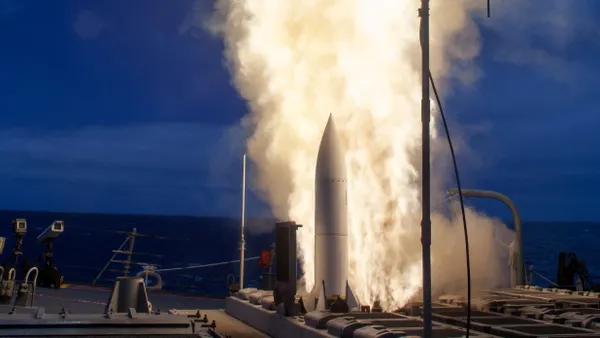
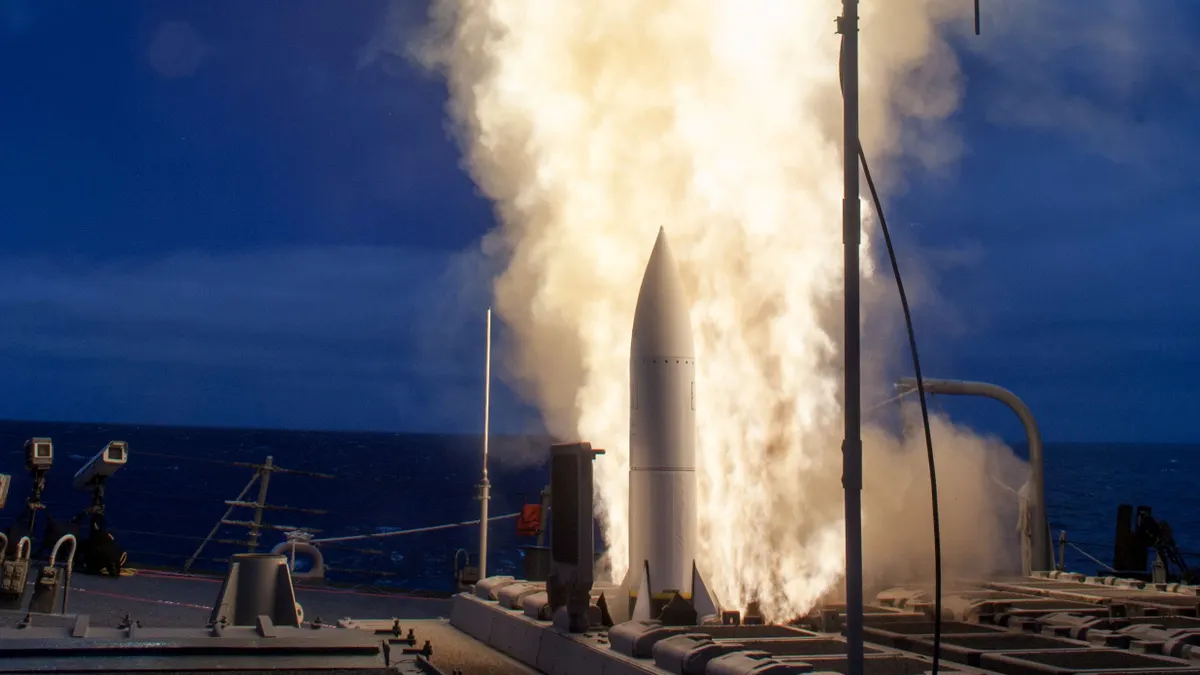
The SM-6 interceptor can destroy or minimize missile threats in the air and on the ocean’s surface, such as other warships. The weapon has been paired with the U.S. Army’s Typhon launcher system and the U.S. Navy’s F/A-18 Super Hornet fighter jet and its warships, according to Raytheon’s website.
The SM-3 IB is designed to destroy short- to intermediate-range ballistic missiles during their midcourse flight phase, which begins after the rocket engine burns out and could last up to 20 minutes. The interceptor was first used in combat in 2024, Raytheon said.
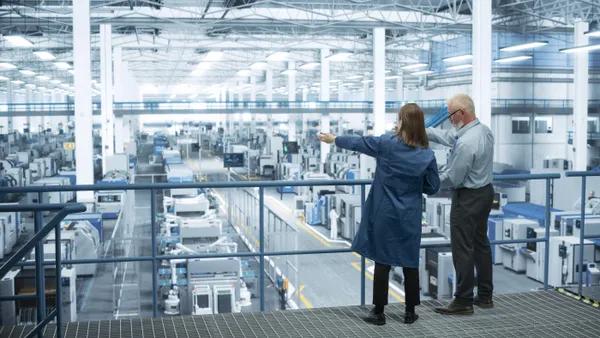
Raytheon has invested heavily to keep pace with rising demand, growing its skilled workforce, building stronger partnerships across the defense industrial base and automating production. These combined efforts aim to support significantly higher output for near- and long-term needs.
Raytheon has also signed other contracts that build on its framework agreements inked in February. In August, DOD’s Missile Defense Agency awarded Raytheon a $745 million contract to manufacture and assemble the SM-3 Block IIA All-Up Rounds for the U.S. and Japan Ministry of Defense.
Days later, the Pentagon awarded contracts to Boeing and Raytheon to increase component production for the SM-3 Block IB and the SM-3 Block IIA for an undisclosed amount.
Also in August, the Navy awarded Raytheon a $22.9 billion contract to ramp up production of Tomahawk missiles as well as expand its workforce to produce more weapons in a shorter amount of time.
In late September, DOD awarded the RTX subsidiary a $20.7 billion contract to ramp up manufacturing of the AMRAAM missiles to support Raytheon’s minimum of 1,900 a year.
The Pentagon has been urging defense companies to boost weapons production to replenish depleted munitions stockpiles over the past few months. Deputy Defense Secretary Steve Feinberg sent a memo Aug. 5 to government contractors to submit production acceleration plans including delivery schedules in 21 days, the Washington Post reported.
Feinberg has taken other measures to accelerate defense systems production. The Cerberus co-founder issued a memo on Sept. 14 ordering DOD officials to remove the accounting, audit and compliance barriers that he said prevents companies from “serving the warfighter from the rest of the American economy.”
The “barriers” are part of the Cost Accounting Standards regulation, which requires companies to be consistent when accumulating costs in contracts with the government. Feinberg’s memo moves the DOD from using CAS to Generally Accepted Accounting Principles, or GAAP, which private and public companies already use in their quarterly or annual financial reports.