

Dive Brief:
- U.S. manufacturers and foreign direct investors announced 247,000 manufacturing jobs through reshoring and foreign direct investment in 2025, according to a new report from the Reshoring Initiative.
- The 2025 result “essentially matched” 2024 and showed that reshoring and FDI are continuing despite shifting U.S. tariff and industrial policies, the report said. It projected 25% growth in 2026 as manufacturers position themselves for the next wave of investments.
- The transportation equipment sector announced the most reshored jobs, while pharmaceutical investment was also strong. The report combined 2025 investment data with findings from the 2025 and 2026 National Reshoring Surveys.
Dive Insight:
The report was published after the Reshoring Initiative’s September 2026 Reshoring Survey, which found that 36% of original equipment manufacturer respondents said they had reshored or were actively engaged in reshoring, up from 29% last year.
Respondents said their top reasons for reshoring since January 2025 were tariffs, geopolitical risks and proximity to customers. Another 31% of OEMs said they have no plans to reshore, according to the survey.
The wave of reshoring in the U.S. has triggered huge levels of investment by Apple, Johnson & Johnson and many other companies. However, some manufacturers are reconsidering whether reshoring will produce measurable sustainability gains given ever-shifting U.S. trade policies, experts say.
According to the Reshoring Initiative’s latest report, more than 2.3 million manufacturing jobs were announced through reshoring and FDI from 2010 to 2025, with 1.3 million added in the past five years.
Reshoring “is increasingly driven by long-term business strategy rather than short-term disruptions,” the report said. “Companies are placing greater value on resilient supply chains, domestic manufacturing ecosystems, skilled labor, and reduced geopolitical risk.”
Other key findings:
- Although tariff and industrial policy uncertainty discouraged some companies from reshoring, the overall reshoring trend remained strong. At the same time, tariffs encouraged many companies to increase their reshoring efforts.
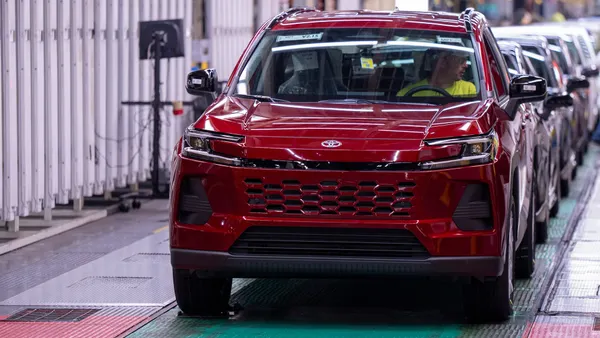
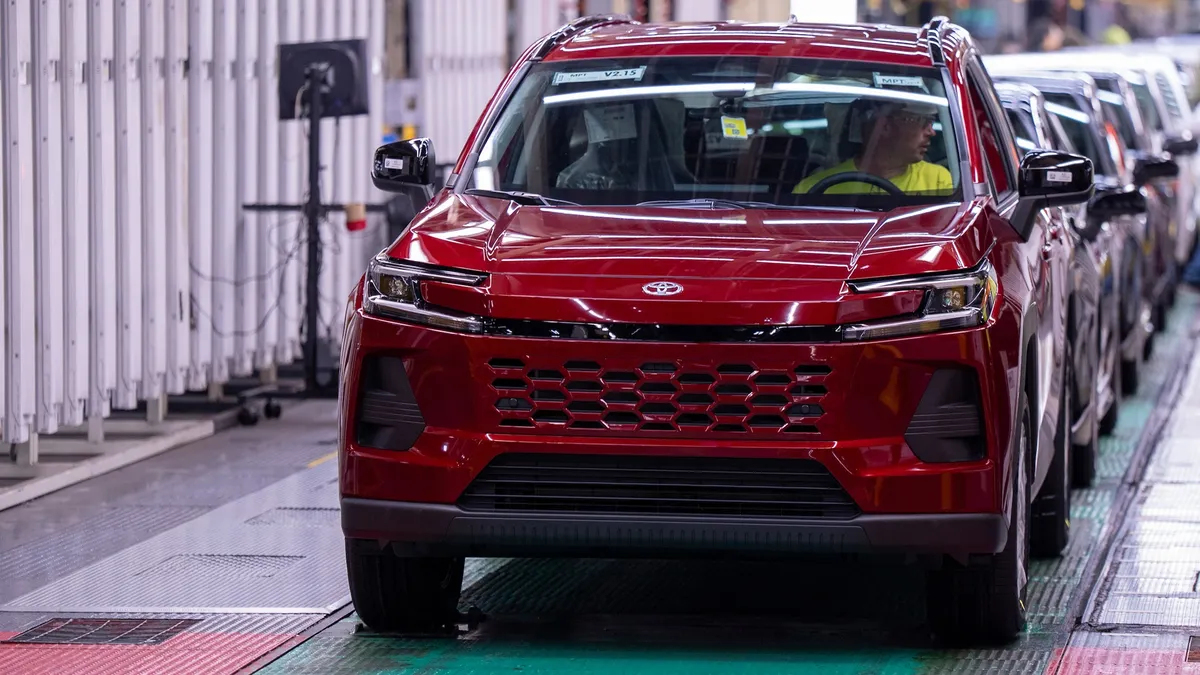
- The transportation equipment sector’s lead in announced reshoring jobs was due in part to a shift from battery production to FDI in complete vehicles, as well as drones and ships.
- The pharmaceutical industry also reshored a significant number of jobs, which reflected the Trump administration’s efforts to build domestic capacity in critical industries.
- Although tariffs played a role in reshoring, companies were primarily motivated by a desire to build resilience into long-term supply chains, find more skilled workers and be closer to customers.
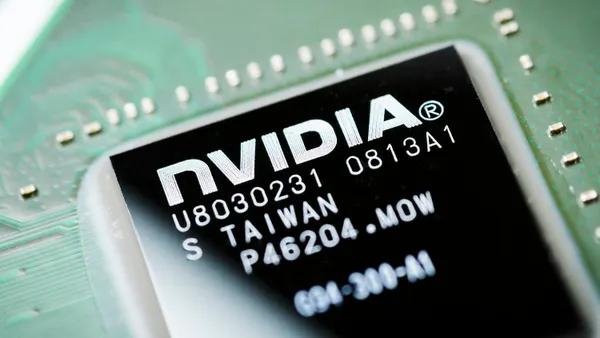
- Technology products dominated announced investments, which helped lower the U.S. trade deficit in these products.
- Many companies that have yet to make reshoring decisions would probably do so if U.S. industrial policy stabilized.
Reshoring momentum is building, the Reshoring Initiative said. The group projected about 309,000 reshored manufacturing jobs to be announced in 2026, which would bring the total to about 2.7 million since 2010.
“Continued momentum will depend on industrial policy, access to skilled labor, use of Total Cost of Ownership in sourcing decisions, and ongoing improvements in U.S. manufacturing competitiveness,” the report said. “If those conditions continue to improve, the large number of conditional projects announced during 2025 may represent the beginning of another significant wave of reshoring and foreign direct investment.”