ALEXANDRIA, Va. – Vinyl records have been seeing a resurgence due to various factors such as the COVID-19 pandemic and nostalgia. Manufacturers, suppliers and distributors have taken steps to meet the rising demand.
Major artists are also joining the vinyl record resurrection. Jack White co-owns Third Man Pressing in Detroit, and Metallica co-owns Furnace Record Pressing in Alexandria.
In the age of streaming, digital media and a volatile global trade environment, the vinyl record market revenue has grown over the past 19 years, according to the Recording Industry Association of America’s 2025 music revenue report. Sales rose to over $1 billion, up 9.3% compared to $954.4 million in 2024. This was driven in part by indie artist releases and limited edition vinyl. Moreover, nearly 50% of global vinyl revenue comes from sales in the United States.
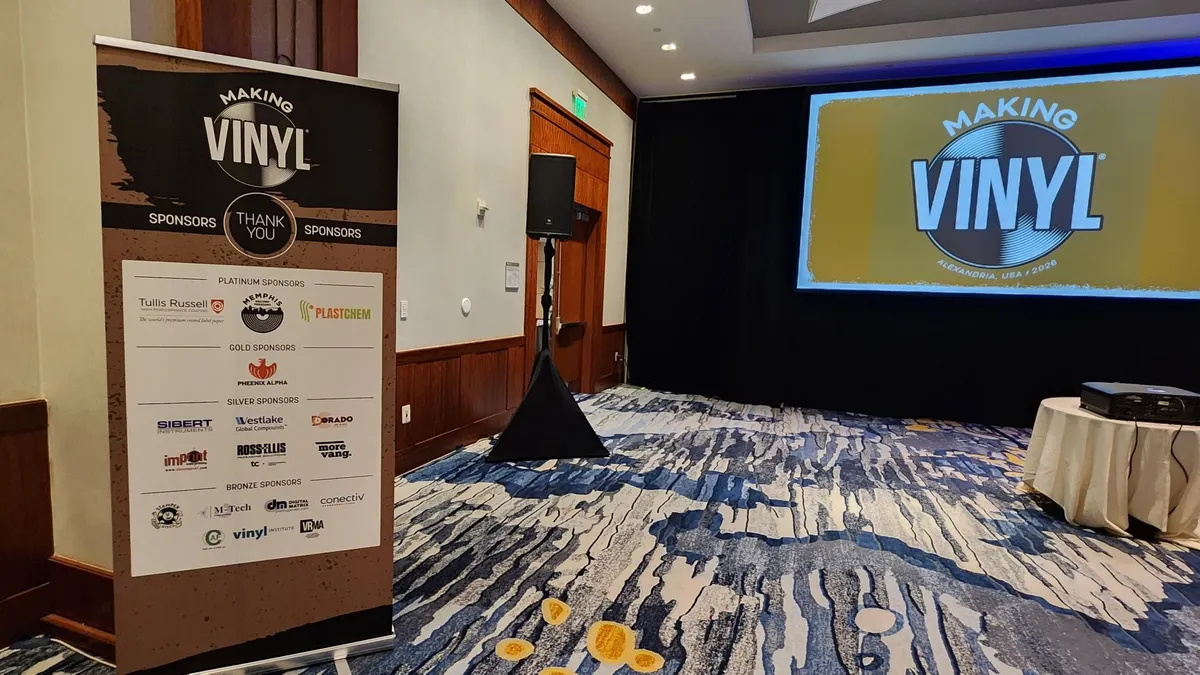
Still, the vinyl record sector is not without its challenges, such as price increases and misinformation, according to panelists at the 2026 Making Vinyl conference, held from May 27-29.
In addition to concerns, vinyl record manufacturers and suppliers discussed their tips on how to work with artists and consumers when they submit orders, and of course, their love of music.
“Someone earlier said,... ‘We’re not saving lives.’ Yeah, we f------ are saving lives,” said Cash Carter of Audiodrome Record Pressing. “I mean, I don’t know how many of you people out there have been in situations I’ve been in, where music has absolutely saved my life, and we have to have the reverence for that.”
Collectibles and indie retailers are driving sales
People collect all different types of products, said Jeff Walker, CEO of entertainment distributor and fulfillment company Alliance Entertainment.
“Vinyls are collectibles,” Walker said.
Despite all the available digital options such as Spotify or Apple Music, people are buying vinyl and CDs in “record numbers right now,” Walker added. Alliance saw its third-quarter vinyl record sales increase 15% year-over-year to $99 million, driven by higher unit volumes and sustained interest in limited-edition releases, according to the company’s earnings report.
Meanwhile, CD sales jumped 90% YoY to $39 million, reflecting higher unit volumes and improved pricing. The spiked sales revenue was driven by strong demand for major releases and collectible formats, including ongoing strength in international and K-pop titles.
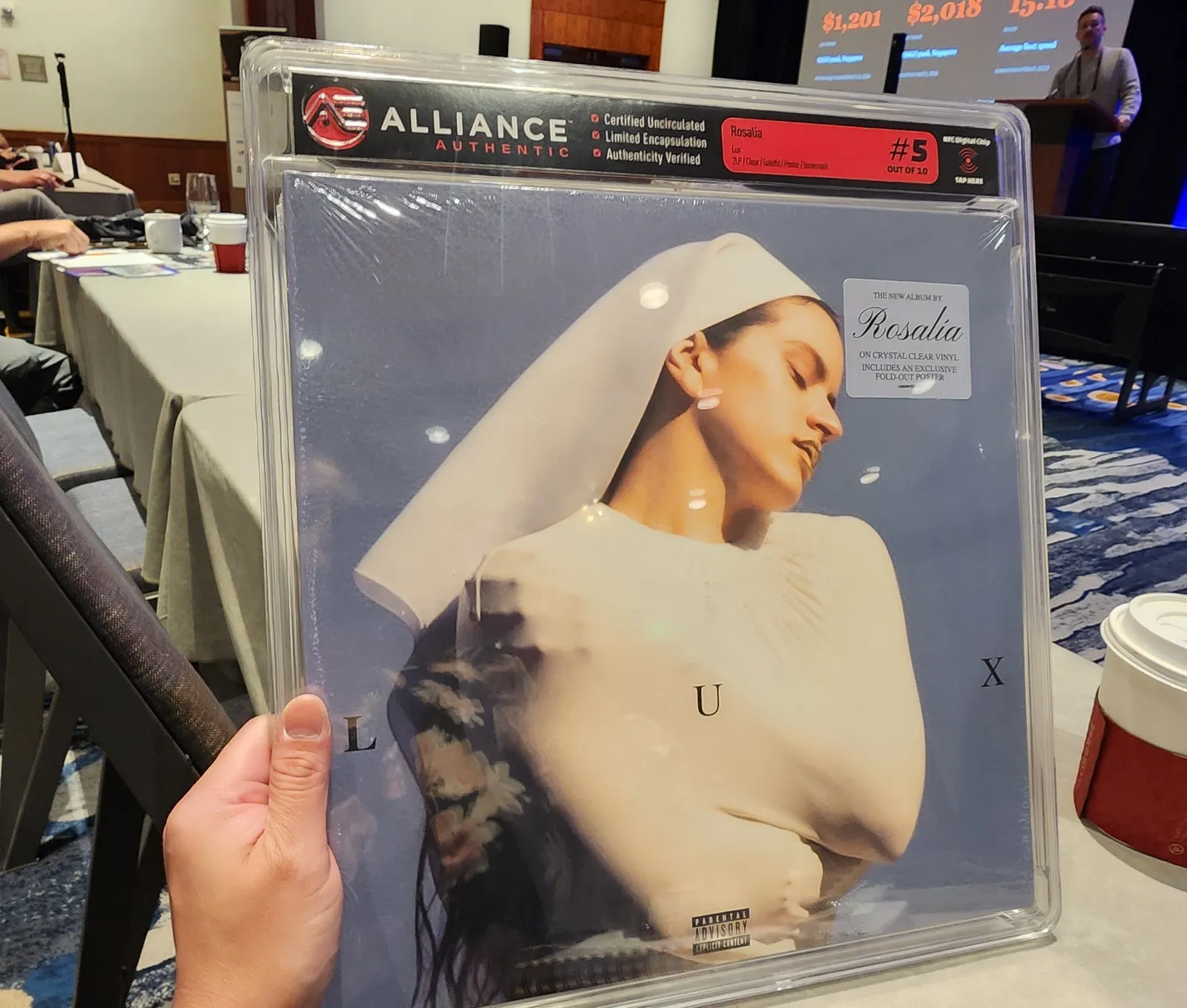
“[Consumers are] only buying it because they’re fans and they want to collect something of the artists that they’re a fan of, and we have to look at that much more,” Walker said. “This is a collectible industry.”
One of the factors driving these sales and helping on the vinyl side is the different variants, such as versions of a single, as well as different colors or covers.
“That has really, really driven that in that collectible side,” Walker said. “In my opinion, I would love to see us do more of that.”
Informing the consumer
There’s a “huge amount” of misinformation on the consumer side on what’s considered an “acceptable record,” said Piper Payne, founder and operator of Physical Music Products.
“Everybody is listening to the Spotify version that is super clean, sterile sounding, and then they get a record,” Payne said. “But then they might start nitpicking.”
Which could lead to potential returns, Payne added. When PMP recycles some of the records consumers returned, they inspect the products and find nothing wrong, other than, for example, a “little bent corner on the jacket.”
“I think that we need to make sure that we're all making the very best records we possibly can, but some education on the consumer end, like how to know that your turntable is tuned right, and making sure that folks that are having us make their records even have a turntable to listen to them on to begin with,” Payne said.
Transparency
Vinyl record makers try to listen to their clients and what they need, but not all clients are the same, said Sarah Robertson, CEO of A to Z Media.
“What an independent artist or a small label needs is very different from a label that has multiple releases,” Robertson said. “So… we've listened for a long time, and then we try and work with a solution that can execute on whatever they're trying to achieve, and not everybody's super organized, or has everything systematically done.
A to Z also tries to manage expectations with the labels by speaking to people and setting dates early on, Robertson said. Robertson would also have to see whether her team needs to split a large order with another manufacturer.
“We are in the unique position of working with lots of different vendors, both in Europe and domestically in the U.S., I think we have the ability at times to be flexible and nimble to achieve the goal of our clients, which is our real focus, is making sure we consistently deliver an excellent product time and time again, so we can pivot.”
On the distribution side, honest conversations about expectations and outcomes with the vinyl record manufacturer and artist could limit or prevent pushing back release dates, said Jeffrey Smith, senior VP of sales and marketing at Alliance Authentic.
“I think the way to holistically address this is there's this thing called the five Ps: proper planning prevents poor performance,” Smith said. “It's all about having a plan, communicating clearly, and trusting the experience of the people that’s working on this for you.”
Transparent conversations with clients are important, Greg Meisenberg, co-founder of Nefarious Industries said.
“I have this conversation frequently with my artists where they're not always aware what goes into this whole process, and it's really awesome when you have label support of any kind, especially on a DIY level,” Meisenberg said. “But some people are just like, ‘Cool, magically, vinyl is gonna like arrive at the work...But they don't realize that I am serving a bunch of other artists.”
Meisenberg added that he often has to talk down artists as they try to sell merchandise at their shows, including vinyls of their music, because they won’t be ready on time.
“They're hell-bent on, ‘We're gonna have a release show on this specific date,’” Meisenberg said. “I'm like, ‘Don't do it.’”
Another factor that adds to a timeline includes the album’s cover art.
“I try to set all these expectations right out front, super transparent,” Meisenberg said. “That's the only thing that helps, because if you ignore that information at some point in the process, you put yourself in a position for there to be an obstacle.”