Dive Brief:
- An explosion that killed two people and injured 11 others at U.S. Steel’s Clairton, Pennsylvania, facility one year ago was the result of poor safety practices and a lack of written policies and procedures, the U.S. Chemical Safety and Hazard Investigation Board determined in its final report Monday.
- The agency found that the Aug. 11, 2025 explosion came from a coke oven gas leak during a maintenance operation in which workers tried to wash the internal surface of a double disc gate isolation valve, according to the 86-page report. Pressure built inside the valve, which failed and led to a leak of toxic and flammable coke oven gas.
- U.S. Steel workers “for at least three years prior to the incident” had used pressurized water for the task without any formal procedure describing it. The Chemical Safety Board identified issues pertaining to procedures and hazard analysis, facility siting and process safety management systems. The agency made several recommendations to the companies involved following its investigation.
Dive Insight:
The day of the explosion, at 10:47 a.m., approximately 19 pounds of coke oven gas leaked and ignited, resulting in two worker deaths, 11 injuries and an estimated $52.5 million in property damage across three buildings, according to the CSB report.
The explosion launched federal investigations and prompted civil lawsuits by the families of Steven Menefee and Timothy “TQ” Quinn, who were found dead by search teams in the fallen debris and rubble. Other workers suffered broken bones, burns and other injuries.
“This deadly incident was the result of an ad hoc informal procedure, poor facility siting, and an ineffective process safety management system at the Clairton facility,” CSB Chairperson Steve Owens said in a statement. “It should never have happened.”
Earlier this year, the U.S. Occupational Safety and Health Administration fined U.S. Steel and cleaning services contractor MPW Industrial Services $118,214 and $61,473, respectively, following its investigation. The wrongful death lawsuits are ongoing in the U.S. District Court for the Western District of Pennsylvania. They were initially filed in February in an Allegheny County Court.
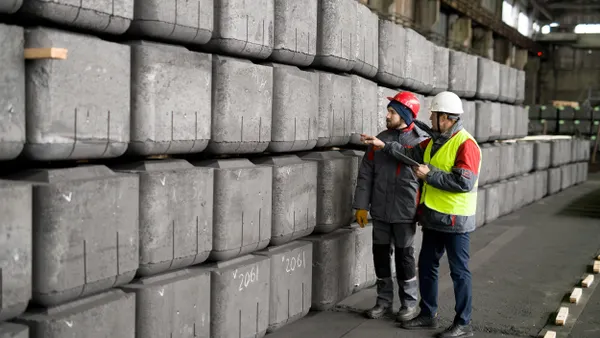
The incident occurred in the “transfer area” between Batteries 13 and 14, a series of industrial ovens stacked into rows where coal is loaded and processed into coke. The affected buildings were located less than 20 feet above the coke oven gas piping that was the source of the leak, according to the report. The failed valve was made from cast iron and was more than 70 years old.
“When buildings are occupied by personnel, they must be adequately designed or located to protect the personnel or equipment from fires, explosions, or toxic releases. Had these buildings been located in a different area of the facility, away from coke batteries, this incident could have been far less severe,” CSB Investigator in Charge Drew Sahli said in a statement.
The CSB cannot issue fines or citations, but made a number of safety recommendations to U.S. Steel, its parent company Nippon Steel North America and MPW.
The agency recommended that U.S. Steel conduct siting evaluations for its buildings at Clairton Coke Works and mitigate all facility siting hazards identified in the report. It also recommended the company develop a written procedure for washing “valve seats” with pressurized water and a comprehensive process safety management system for all coke oven gas processes at the facility.
Additionally, the CSB recommended that Nippon Steel North America develop a process safety governance program, conduct audits and promptly correct process safety deficiencies across its operations. The agency also recommended that MPW develop written policies and procedures for cleaning piping systems that contain flammable or toxic gas, and ensure all workers involved are properly trained.
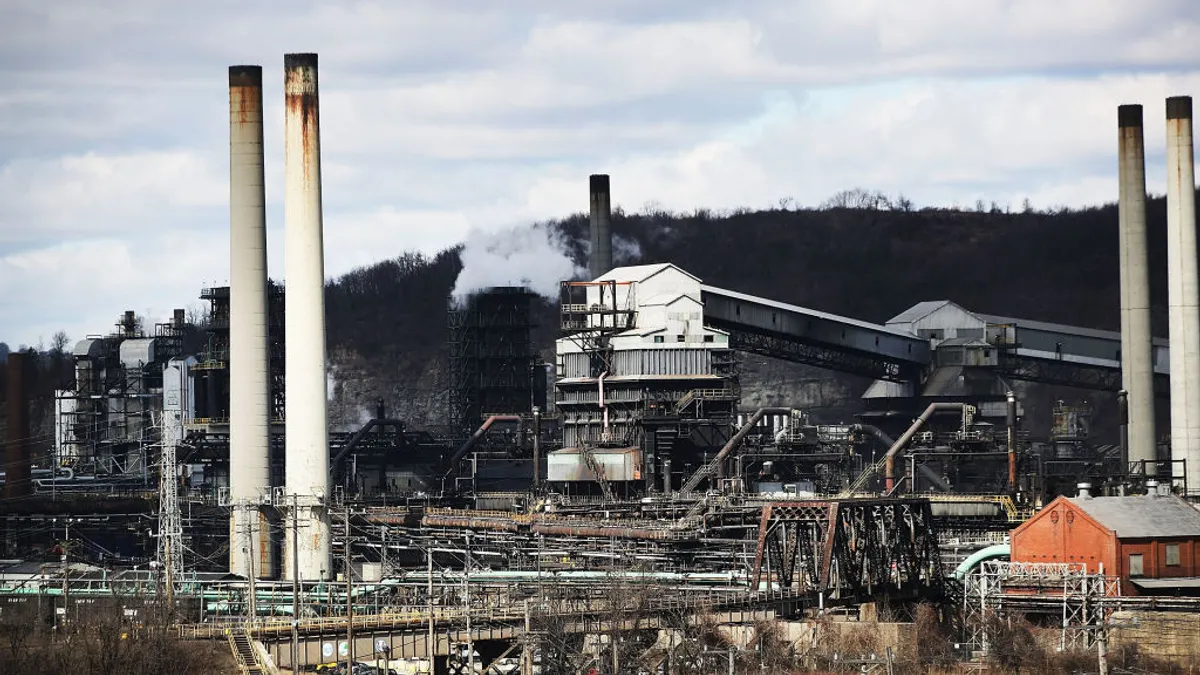
U.S. Steel’s Clairton Works facility, built in 1901, is the largest coke manufacturing facility in the United States. The location currently operates six batteries comprising 455 ovens. It has the capacity to produce 3.6 million tons of coke per year.
A year after the explosion, U.S. Steel on Tuesday lowered its flags to half-staff and had a moment of silence in honor of its workers who died or were injured by the explosion. The company also held safety discussions and meetings to help prevent any future incidents.
The United Steelworkers also reflected on the day and stressed the importance of high safety standards across the industry. The union called on U.S. Steel to prioritize its workers’ health and safety following the explosion, as well as a separate death at the company’s Granite City Works plant on July 11.
“Every worker deserves to return home safely at the end of every shift,” USW District 10 Director Bernie Hall said in a statement.