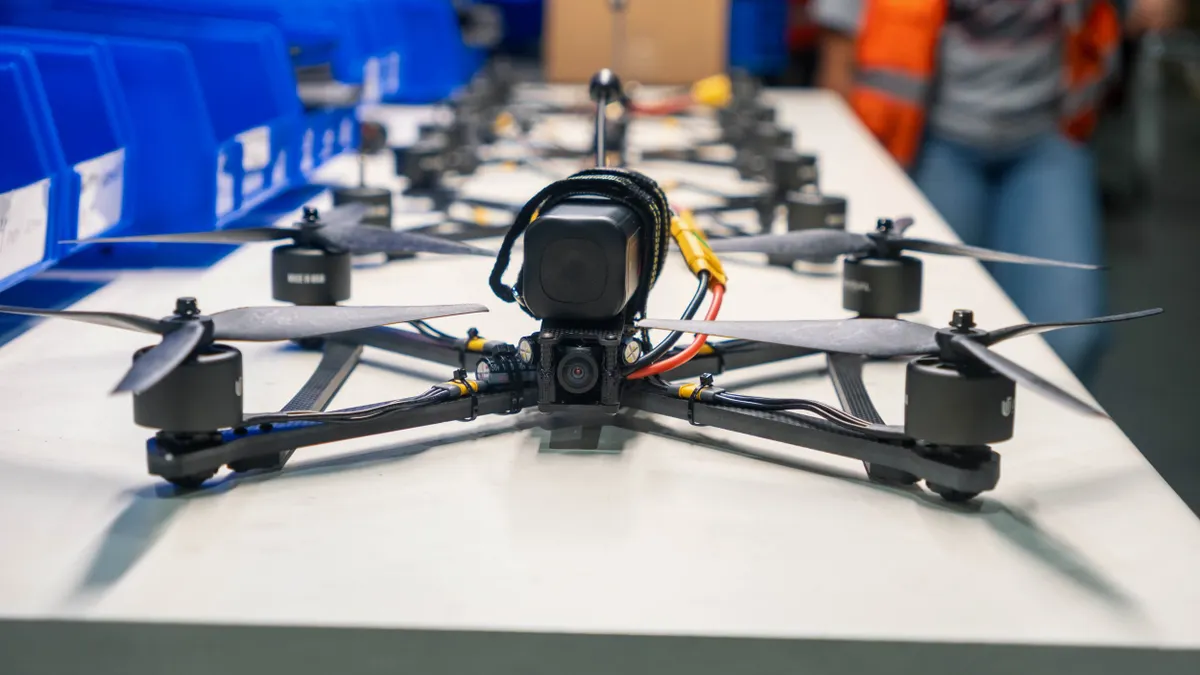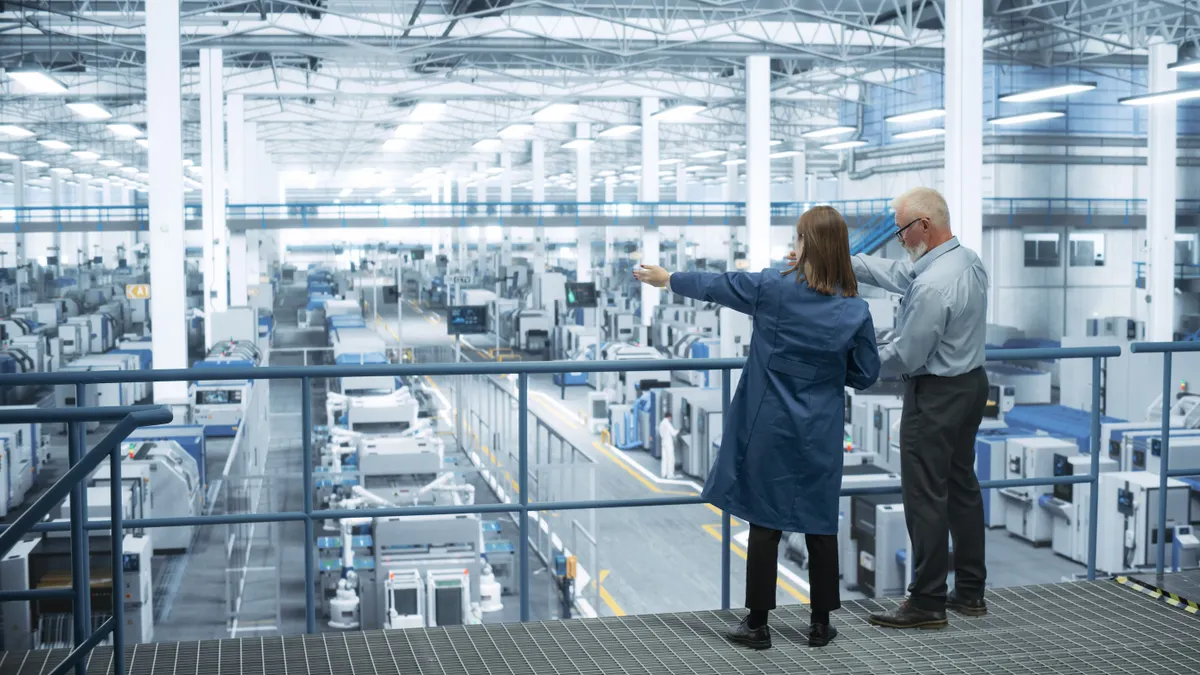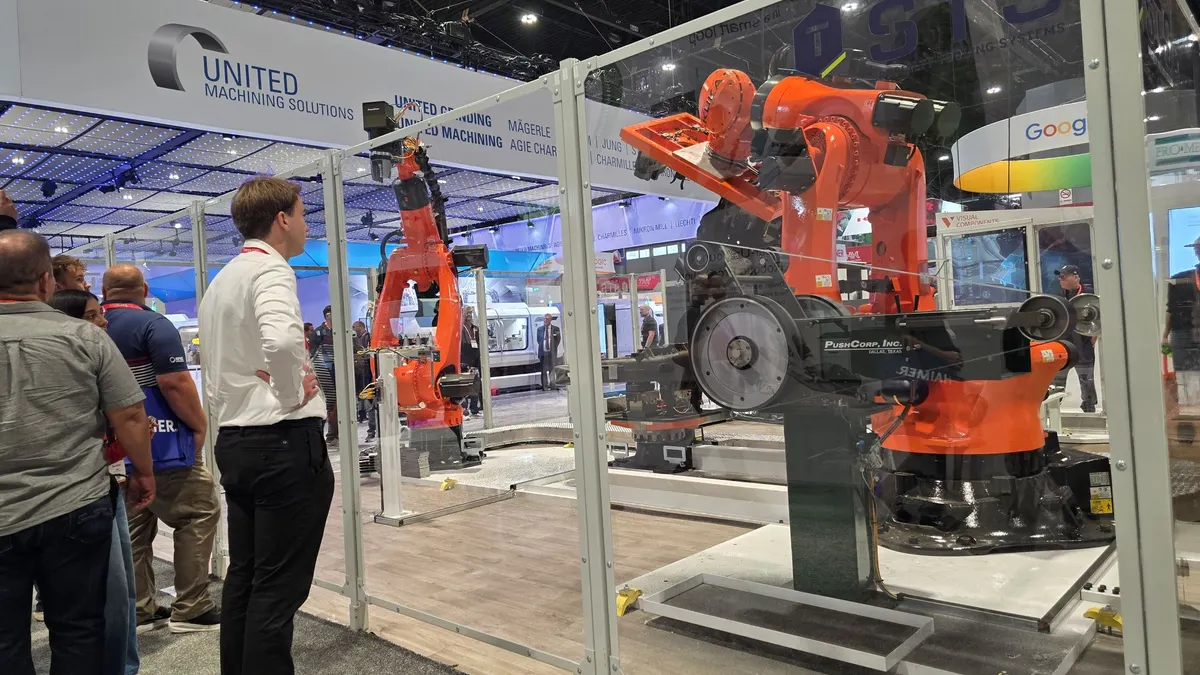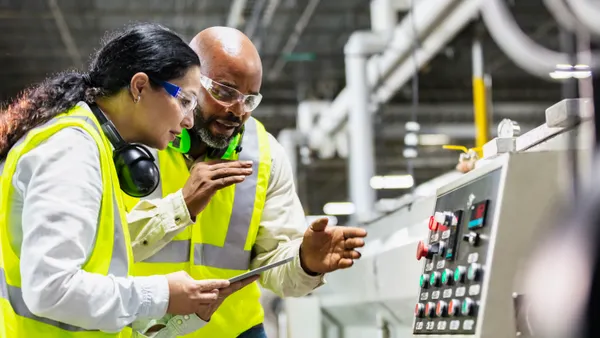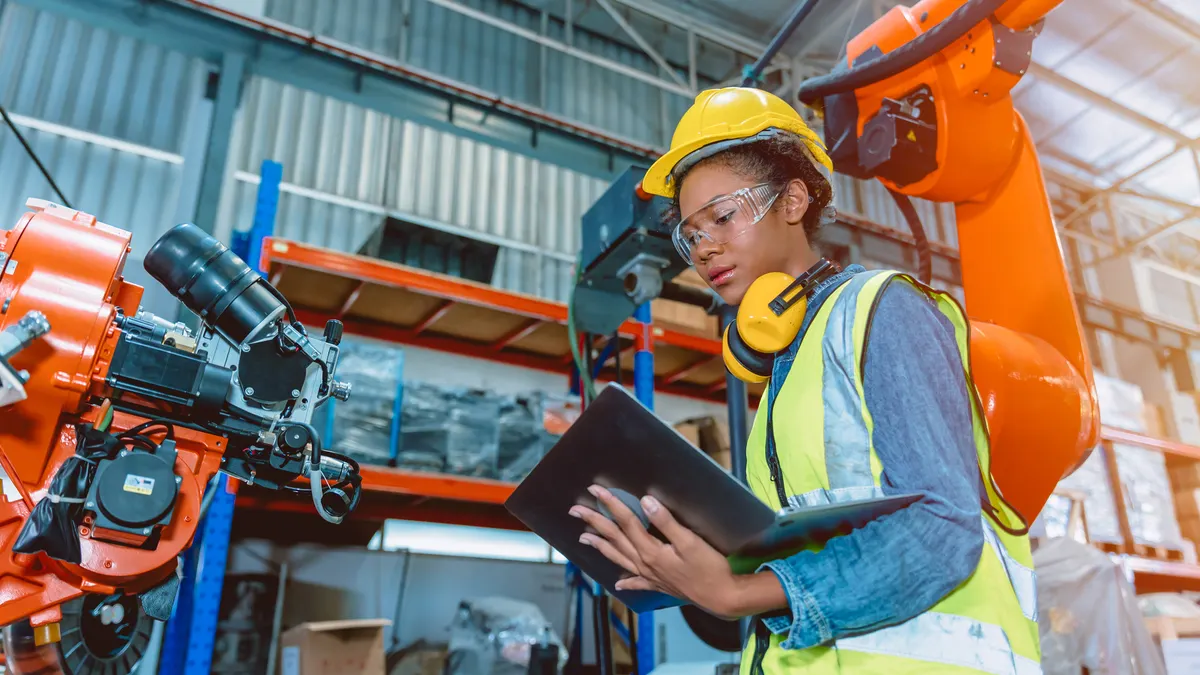

Walk through a modern US manufacturing plant and it's obvious how much has changed. Machines are fitted with sensors that continuously monitor performance. Cameras inspect products in real time. Control rooms bring together live operational data from across the factory – and increasingly from facilities around the world.
What's less visible, however, is the network connecting it all, yet that's where many manufacturers are running into problems.
Our latest Enterprise Horizons research, conducted with IDC among 800 senior technology leaders at multinational organisations, found that not a single US manufacturer surveyed believes its network is fully ready to support the next wave of AI, cloud and digital initiatives. Over a third say it can cope with today's demands but will soon need upgrading, while the remainder admit there are still gaps and weak points.
AI is everywhere, but it isn't scaling
Manufacturers aren't holding back on AI. Every US manufacturer in our research is already using it in some form, but the real challenge is scale. Eighty-six percent say AI is being used in pockets of the business rather than across the organisation, compared with 75% of US businesses overall. Just 15% describe adoption as extensive, and none say AI has fundamentally transformed their operations.
The gap between investment and impact is also what stands out. Half say their AI projects have only partly met expectations, while only 8% report results beyond what they had hoped for.
When AI falls short, attention often turns to the model or the data, but the network is just as important. Across manufacturers globally, a quarter of those whose AI initiatives underperformed cited network and connectivity issues as a contributing factor, and it's not difficult to understand why. Predictive maintenance relies on a constant flow of accurate machine data. Computer vision systems, for example, need high-quality image feeds to identify faults before products leave the production line. If that data is delayed, interrupted or inconsistent, AI has less reliable information to work with. Nothing necessarily fails outright, but performance suffers and the expected business value never fully materialises.
A domestic challenge with global roots
When asked what they need most to support AI, US manufacturers cited resilience and uptime (52%), optimised cloud connectivity (52%), flexibility and scalability (50%) and greater bandwidth (47%) at the top of the list. Interestingly, forty-four percent say end-to-end global connectivity is now essential, compared with 31% across all US industries.
That reflects the reality of modern manufacturing. Supply chains don't stop at national borders, and neither do the systems that support them.
The research highlights the pressures manufacturers are facing. Sixty-one percent expect supply chain disruption to be a major challenge over the next year, compared with 36% of US organisations overall. More than a quarter are concerned about tariffs and trade disputes, over three times the national average. Unsurprisingly, operational resilience has become one of the biggest drivers of technology investment.
Many businesses are responding by reshoring, nearshoring or diversifying suppliers. All of those strategies increase the number of sites, partners and countries that need to be connected reliably. As a result, connectivity has become a priority investment for 47% of US manufacturers, ahead of the US average of 40%.
Connectivity has become business critical
Most global manufacturing networks weren't designed for this level of complexity. They have evolved over many years, adding regional carriers, legacy infrastructure and public internet connections as businesses expanded. The result is often a patchwork that works well enough day to day but offers limited visibility and little consistency across international operations.
That might have been acceptable when networks mainly carried email and business applications. It's a different story when they're supporting AI-driven manufacturing.
Improving performance isn't simply about adding more bandwidth. It's about building networks that deliver predictable performance across every location, provide visibility before issues affect production and are resilient enough to cope when conditions change. Increasingly, manufacturers recognise they can't do this alone, with almost a third (32%) saying they need an external partner to help implement or manage their network.
At Expereo, that's exactly where we focus our efforts. We help global manufacturers connect all their offices and plants, giving them a single partner responsible for their high performing, resilient network wherever they operate.
AI may be transforming the factory floor, but its success still depends on something much less visible. Manufacturers that treat connectivity as strategic infrastructure, rather than simply another IT service, will be in a far stronger position to turn AI investment into measurable business results.