Qnity Electronics and the University of Delaware are collaborating to bolster the engineering talent pool and expand their research and development partnership to fuel new advanced manufacturing technologies.
UD’s College of Engineering students will work with the semiconductor component maker’s technical heads on academic assignments focused on addressing real-world manufacturing and operational challenges, according to the press release. UD Engineering has a capstone program that matches student teams involved in more than one academic field with corporate partners, which companies can leverage to recruit and retain workers, according to its website.
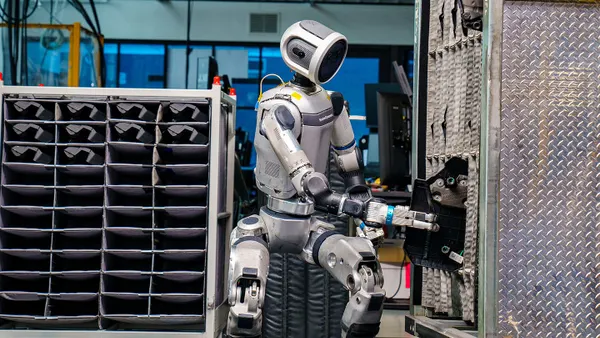
Qnity is also launching a pilot work-study program that provides students with hands-on industry experience, improving their skills while supporting automation projects.
The partnership between Qnity and UD aims to help “advance technologies and processes that are essential to the future of the semiconductor industry,” CTO Randy King said in a statement.
“By investing in hands-on learning, automation, and workforce development, we’re helping build the talent and innovation ecosystem that will power the next generation of technological breakthroughs,” King added.
The collaboration will also enable Qnity to work with UD faculty on semiconductor materials research and use the school’s special facilities, such as the Keck Center for Advanced Microscopy and Microanalysis, to discover and evaluate manufacturing hurdles.
“[The partnership] builds sustained relationships that span the classroom, research lab, and broader UD community,” Jenni Buckley, associate dean for corporate engagement and entrepreneurship at UD Engineering, said in a statement.
Qnity is expanding its R&D footprint as demand for artificial intelligence increases worldwide, in a bid to develop new technologies. The company has teamed up with global research nonprofit, Imec, to access its portfolio of research programs, according to a July 29 press release.
Qnity was formed last year when Dupont spun out its electronics business to create a new publicly traded company.