
Digital transformation is no longer a future concept. It’s a strategic necessity, rapidly changing the manufacturing landscape. For executives, the challenge goes beyond merely adopting new technology. It requires spearheading a transformative, organization-wide shift toward intelligent, data-driven operations that drive significant cost savings, boost operational efficiency and increase agility through smart manufacturing.
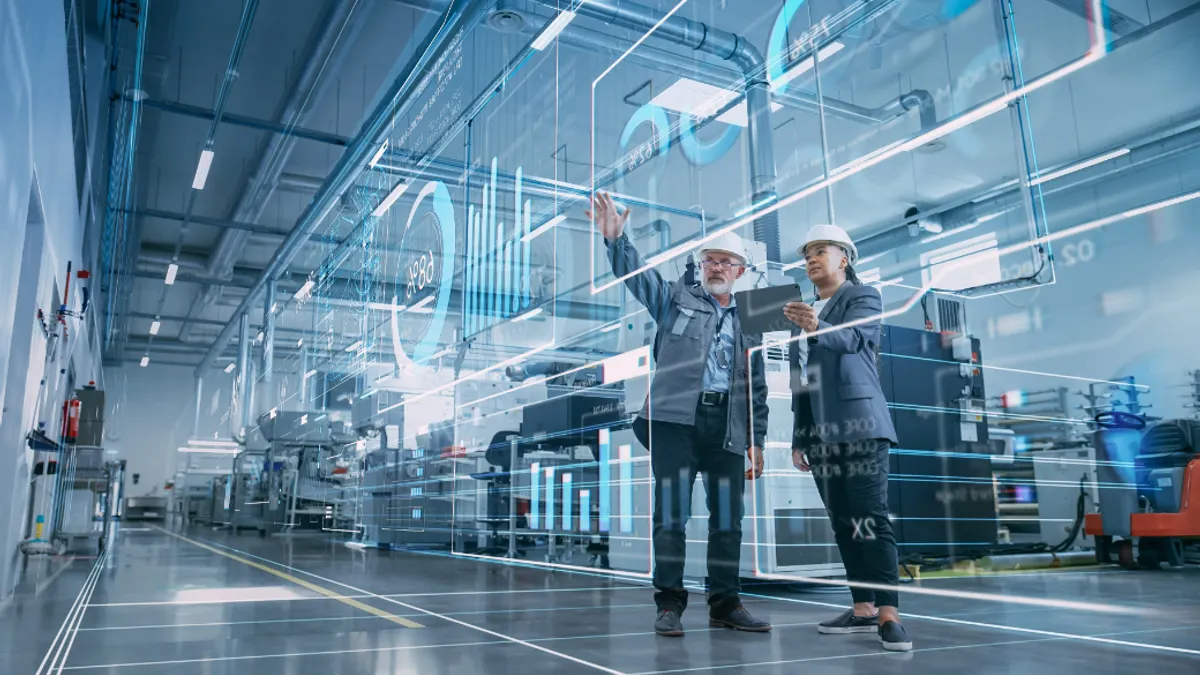
The smart factory integrates IT and operational technologies to create a connected ecosystem where machines, sensors and people collaborate seamlessly. Leveraging Industry 4.0 technologies, such as IoT, AI, cloud computing and smart devices, enables real-time data sharing and automated decision-making that drives faster, insight-backed actions.
Key strategic benefits include:
- Operational efficiency: Streamlined workflows and reduced downtime through predictive maintenance and automated quality checks.
- Cost control: Optimized resource use and waste reduction via precise process monitoring.
- Agility: Faster decision-making, breaking down traditional silos and enabling rapid responses to market changes.
Achieving this vision requires a clear, phased strategy rather than a technology-first approach.
Overcoming key challenges with five strategic steps
Legacy manufacturing systems have served well but now risk limiting agility in a quickly evolving market. Manufacturers must increase throughput while managing costs, maintain consistent quality to protect brand reputation, address skilled labor shortages through automation and select fit-for-purpose technologies aligned with strategic goals. Without a cohesive strategy, digital initiatives risk fragmentation, isolated systems, wasted investments and missed ROI.
To tackle these challenges, organizational leaders can implement five strategic steps that pave the way for successful digital transformation and long-term competitive advantage:
- Assess Digital Maturity: Begin by evaluating your digital maturity and capabilities through an Industry 4.0 Maturity Assessment. This crucial step helps identify modernization opportunities that offer the highest ROI, focusing on manageable, quick wins rather than immediate large-scale changes. Benchmarking against industry standards helps set realistic, context-specific goals for your organization.
- Develop a Tailored Roadmap: Create a customized plan that defines clear, measurable objectives that balance efficiency, quality and compliance. Your roadmap should include investments in technology and workforce development, ensuring integration across production, quality and supply chain systems to create a seamless operational flow.
- Manage Change Effectively: Digital transformation is as much about people as it is about technology. Prioritize employee training, foster a data-driven culture and communicate the strategic benefits transparently to build the organizational buy-in necessary for success.
- Evaluate Core Capabilities: Assess your strengths in data management, automation, connectivity and business intelligence. Maintaining data integrity across all processes fuels productivity and innovation, while automating key operations ensures consistent throughput and precision.
- Partner with Experts to Assess Your Filling and Dosing Applications: Evaluate the maturity of your filling and dosing operations—a crucial focus area. The transition from manual control and basic data tracking to fully automated, adaptive systems integrated with ERP/MES solutions drives incremental improvements in throughput, quality, waste reduction and actionable insights, turning operational data into strategic assets.
Partnering with experts to assess current maturity levels and develop a clear, phased progression plan ensures your investments align with broader digital strategies and deliver sustained competitive advantage.
Why the digitalization journey matters
Digitalization is a continuous evolution of processes and demands ongoing commitment. By assessing your maturity, building a clear roadmap and advancing your operational intelligence, you position your business to thrive in a dynamic, fast-changing world. Start with a single step and grow gradually. The goal isn’t just to build a smart factory, but to create a smarter business.
The Digital Maturity Assessment from METTLER TOLEDO helps you evaluate your weighing and filling operations' readiness and guides your next steps in digital transformation. Request an assessment to get started.