

President Donald Trump on Tuesday signed into law the Critical Infrastructure Manufacturing Feasibility Act, which requires the Department of Commerce to study and report on high-demand products in critical infrastructure sectors.
According to a bill summary, critical infrastructure sectors are “those whose assets, systems, and networks are vital to national security, the economy, public health or safety, or any combination of those matters.”
The legislation requires the DOC, within one year, to conduct a study identifying all products within these sectors that are currently being imported “due to a manufacturing, material, or supply chain constraint in the United States.” It also calls on DOC to “analyze the costs, benefits and feasibility” of making those products domestically.
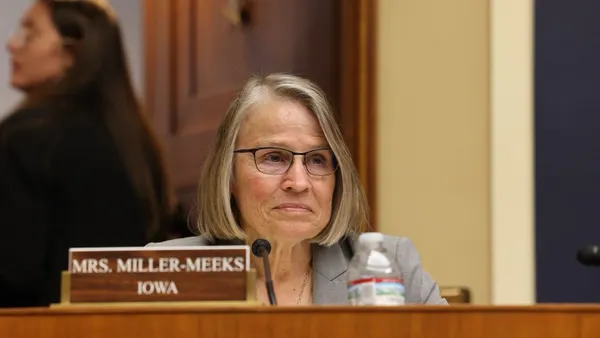
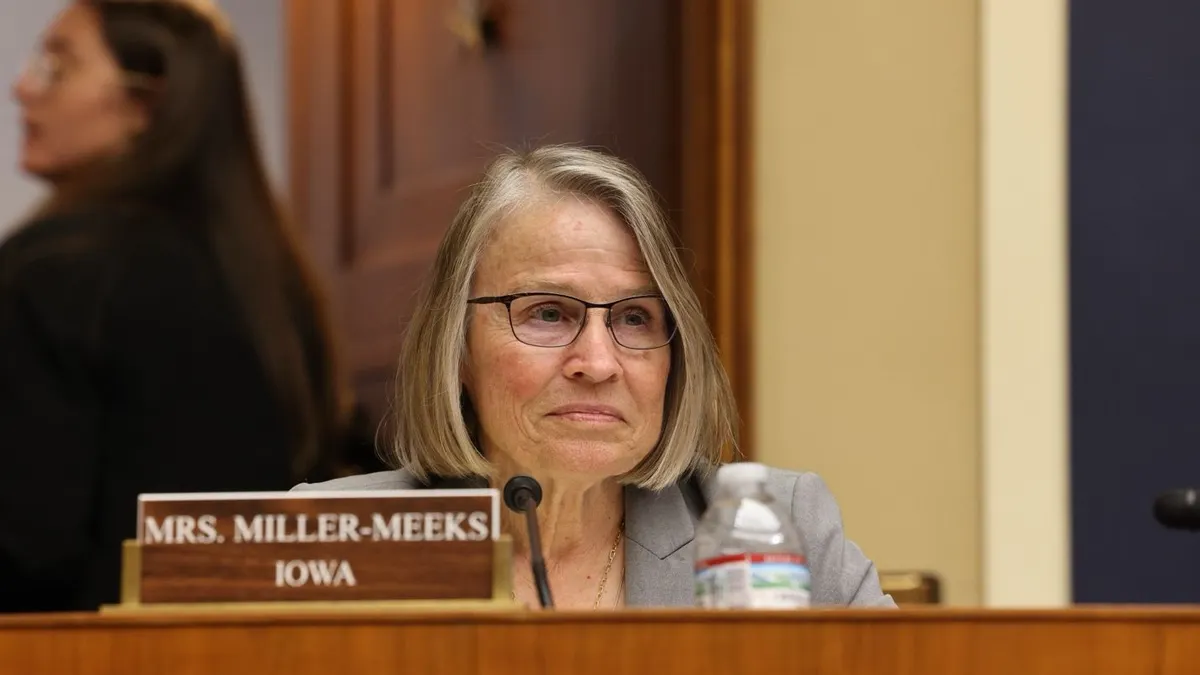
The bill was sponsored by Reps. Mariannette Miller-Meeks, R-Iowa, and Kim Schrier, D-Washington.
"America cannot continue outsourcing the production of critical goods and good-paying manufacturing jobs to foreign adversaries. We must strengthen our domestic manufacturing, secure our supply chains, and ensure America can produce the essential materials our nation depends on," said Miller-Meeks in a statement. "This legislation creates a roadmap to bring manufacturing back and create new good paying jobs for Iowans.”
“We need a clear understanding of what products can and should be manufactured in the United States,” Schrier said in a 2025 statement after the bill initially passed the House of Representatives. “We cannot remain dependent on just a handful of other countries for critical parts and products.”
Facility announcements
Several manufacturers announced workforce and facility investments this week including Lilly, Bluebird, BAE Systems and Arco Design/Build.
Eli Lilly
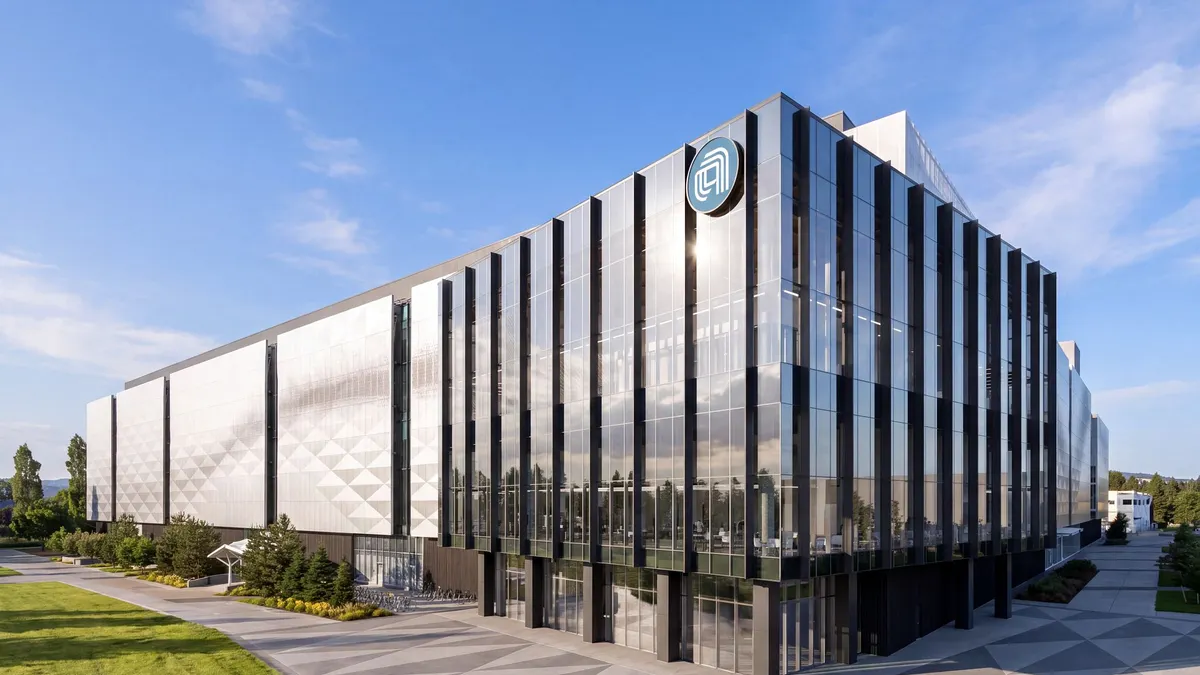
Eli Lilly has broken ground on a $5 billion manufacturing facility west of Richmond, Virginia, the company announced.
The facility is one of 10 new U.S. manufacturing sites Eli Lilly has announced since 2020 and one of five that will produce active pharmaceutical ingredients, according to a news release.
The Richmond site is part of the company's more than $50 billion push to expand medicine production in the U.S. and will be its “first to produce both API and finished medicines in a fully integrated facility, with dedicated API capacity for bioconjugate and large-molecule medicines,” the news release said.
The facility is expected to create 650 “high-wage” jobs and will produce targeted cancer treatments called antibody-drug conjugates, which are designed to attack diseased cells directly while minimizing effects on healthy cells. The treatments may also be used to treat autoimmune diseases and other conditions, the company said.
Eli Lilly said it has been building up its skilled workforce in Virginia and has committed $40 million to support the Virginia Center for Advanced Pharmaceutical Manufacturing, a statewide career development network that will include a pilot-scale training center in Goochland County set to open in 2028.
BAE Systems
BAE Systems has closed on the purchase of a 130,000-square-foot production facility in Weld County, Colorado, Gov. Jared Polis announced.
The facility is located on about 13 acres and will “enhance the company’s manufacturing capabilities to meet customer demand and business growth related to space-based hardware and sensor systems,” Polis said in a statement. The facility’s cost was not announced.
BAE Systems expects to hire more than 200 employees to work at facility over the next 12 to 24 months, with potentially 600 new hires at full capacity, according to the news release. Positions will include manufacturing technicians, manufacturing engineers, machinists, manufacturing planners, production supervisors and supply chain planners.
The Colorado Economic Development Commission approved nearly $11.2 million in performance-based tax credits for the company over eight years, as well as other refundable tax credits, the news release said. The incentives require the company to meet job creation and salary requirements. Other tax credits will be used to support job training initiatives.
BAE Systems plans to begin retrofitting the Weld County facility and purchase equipment this year and expects to open the facility for production in early 2028, per the news release.
Blue Bird
School bus maker Blue Bird plans to invest about $300 million in a new manufacturing facility in Fort Valley, Georgia, Gov. Brian Kemp said in a news release. The 1-million-square-foot facility is expected to create 375 new jobs over the next three years.
The company will convert a former manufacturing site for diesel-powered motorhomes into a facility for manufacturing buses with a variety of powertrains, per the news release. This will include Type C school buses powered by diesel, gasoline, propane and electric batteries.
Blue Bird is expected to start building the facility in the first quarter of 2027 and will be hiring for manufacturing, operations and technician roles. The company currently supports more than 1,900 employees in Georgia, Kemp said.
Arco Design/Build
General contractor Arco Design/Build announced the groundbreaking of a 355,000-square-foot manufacturing facility for Jamison Door Co. and its parent company, BMP Group, in Hagerstown, Maryland.
The new facility, the cost of which was not disclosed, will provide additional production capacity for Jamison while adding U.S.-based manufacturing for some BMP Group brands based in Europe, according to a news release.
The building will “integrate automation, research and development, and product testing to expand manufacturing capabilities for specialty access systems, including cold storage doors, high-speed roll-up doors, dock levelers, and aircraft hangar doors,” the news release said. These products help maintain temperature-controlled environments in the food and beverage industry and other sectors.
The first phase of construction is expected to be completed in the first quarter of 2028, with manufacturing to begin soon after. Planning has started for a second phase, which will allow BMP Group to continue expanding in North America.
QuantumScape
QuantumScape, a developer of solid-state lithium-metal battery technology, announced plans for a new production at its San Jose, California, facility to “meet demand for solid-state batteries from markets including AI data centers, aerospace and defense.”
The 100 megawatt-hour capacity line is being developed in partnership with Germany-based Muehlbauer Group. This builds on initial work at the company’s Eagle Line pilot facility in San Jose. Cell production is targeted to begin in 2028.