

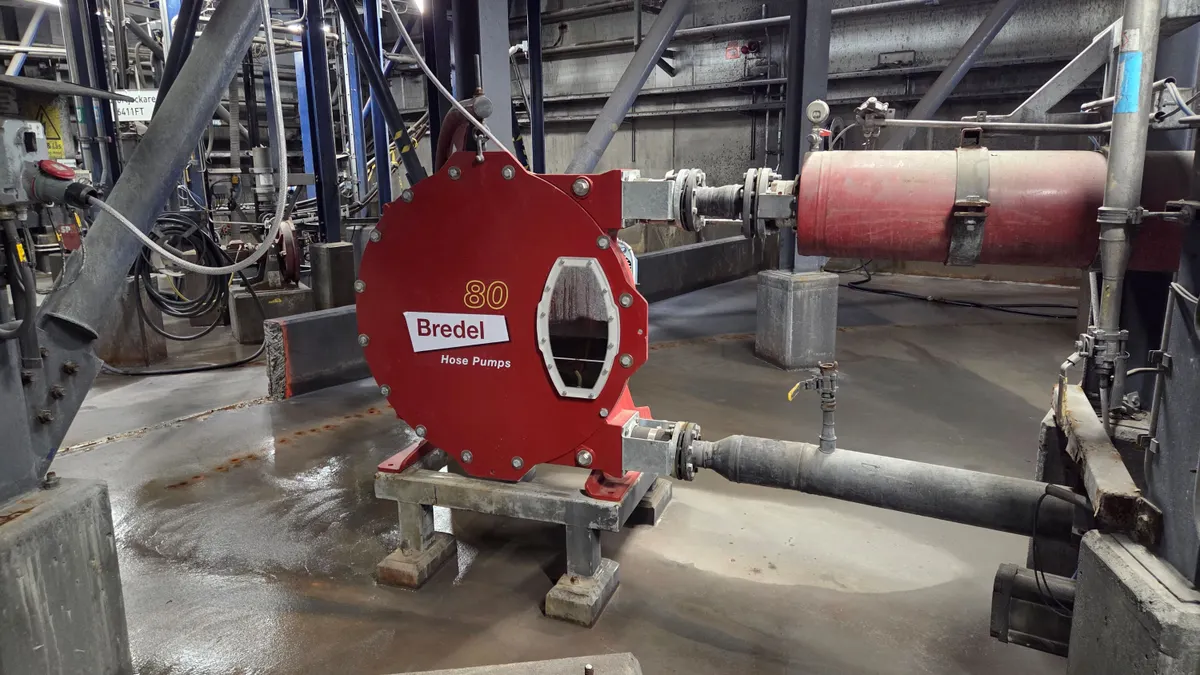
Managing fluids used in manufacturing processes can be challenging, especially when pipes are located in remote places that are difficult to monitor for leaks and other problems.
Watson-Marlow Fluid Technology Solutions has a solution. The company manufactures pumps and related products, along with sensors and remote monitoring systems to help manufacturers detect and address issues before they affect production.
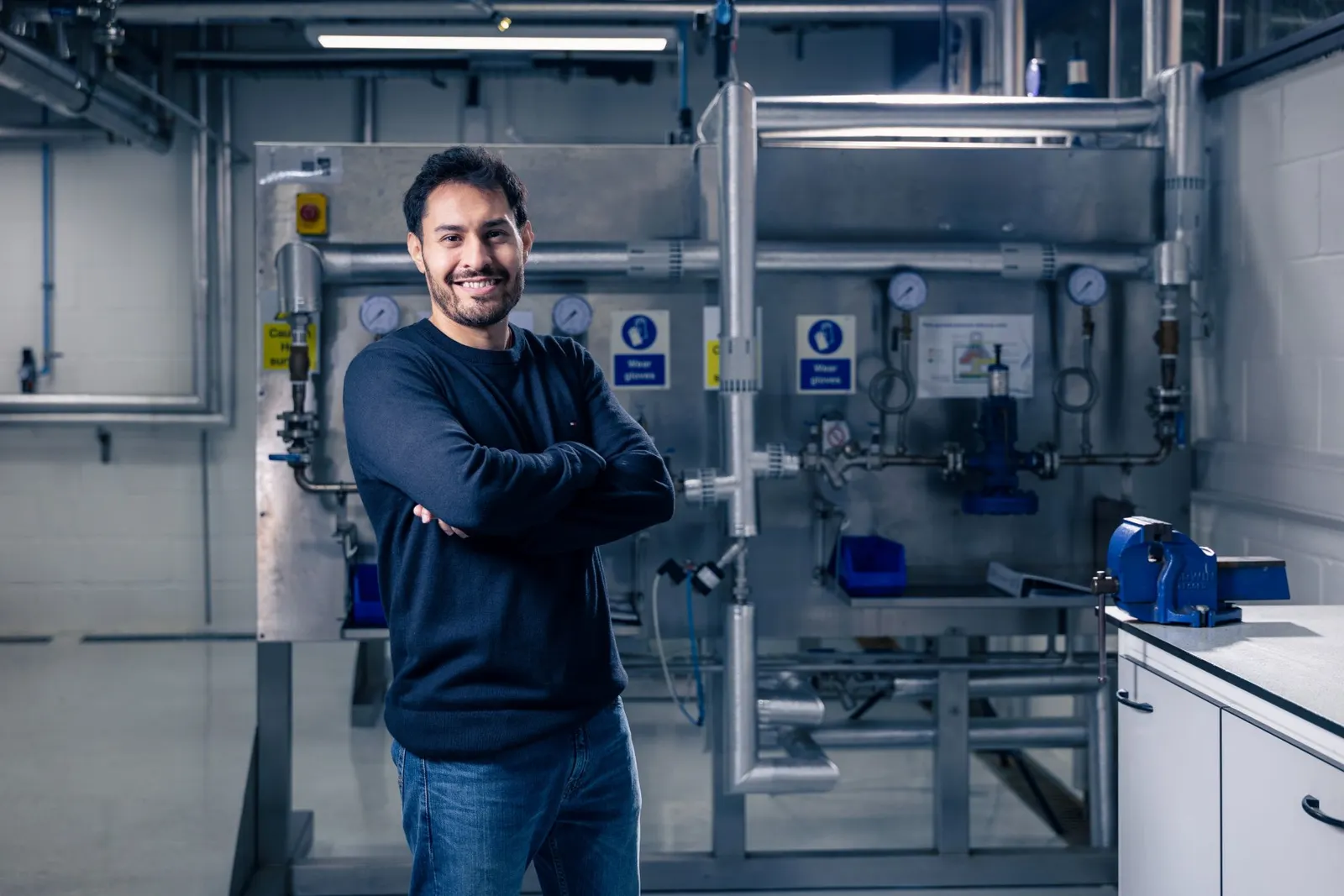
The Cornwall, United Kingdom-based company’s connected services digital product manager, Ignacio Basualdo, recently spoke with Manufacturing Dive about how manufacturers are using connected sensors and real-time monitoring to move from reactive to proactive maintenance. He said this trend is especially apparent for critical fluid-handling equipment such as pumps used in dosing, transfer and other uptime-sensitive processes, where remote monitoring is increasingly essential in hard-to-staff operations.
This interview has been edited for clarity and brevity.
MANUFACTURING DIVE: How do you help manufacturers use connected sensors and real-time monitoring to improve their operations?
IGNACIO BASUALDO: Every industry wants to maximize the productivity to be cost efficient and maximize yields. We provide companies with monitoring services and solutions to migrate from reactive maintenance to being more proactive. We give them capabilities such as protective analytics and intelligent monitoring that are beginning to play a larger role in helping organizations identify potential issues before they affect production. They also help optimize maintenance and improve overall equipment effectiveness.
What sorts of metrics do your products and services monitor?
We use pressure and temperature sensors to monitor our pumps, which are really critical pieces of equipment. Other companies also offer these types of sensors, but we have a proprietary, in-house solution for using them.
How does monitoring deliver operational value to your customers?
In some applications or operations, there’s a real cost of unexpected downtime, such as if something happens in the middle of the night or in a remote location. In those contexts, being able to provide insights to our customers on how that process is operating and help them see early warning signs before the process is impacted is of great value. It prevents those unexpected times and increases stability in the overall process. There's a KPI in the industry called “mean time between failure.” Increasing the mean time between failure is essentially what we want.
Is that especially important for things like pipelines that are physically challenging to inspect?
Yes. For example, you have operations that are really remote, such that to get to that operation, you need to take a plane. We provide solutions that you can use remotely and let you monitor different sites, different plants, different processes integrated into your operations. That is really key, because maybe the person who can fix that equipment, for example, is really far away from where the problem is. We help the industry to have better planned maintenance instead of being reactive.
In general, what types of signals should manufacturers and operators monitor remotely?
For pumps, a decrease in the flow rate could signal a blockage in the pipeline. That could lead to unexpected downtime, because there are some industries where a blockage or fluid could solidify in the pipeline, so less of the product comes through. If that escalates, that could lead to significant production stops.
Other things to monitor include pressure spikes or pressure dips. This can help the customer understand something that is happening in their process. For example, a sudden drop in pressure could indicate a leak in a pipe.
Temperature is a factor as well. Sometimes temperature is really, really key to understand. For example, some industries have shear-sensitive fluids, like pumping yeast for a brewery. If the temperature increases, the yeast could be affected, and that could affect the beer you're producing.
How is your company incorporating artificial intelligence into your operations?
We're investing in AI and machine learning to enhance our knowledge management across our whole sales and support service teams to ensure we can respond to our customers and create queries more efficiently and more accurately. We’re also using AI to better support our customers and help them be more proactive in their operations, rather than reactive, through that intelligent monitoring that I discussed.
What sorts of workforce development gaps do you see in your industry?
As organizations adopt more automation and connected technologies, there is an increasing demand for workers and expertise in areas such systems integration maintenance and data analytics. In the pump industry, we're also seeing a need for skilled technicians and engineers who understand not only the pump technology itself and the fluid handling systems, but also how those systems integrate with increasingly automated and connected manufacturing environments.
I would say the challenge is particularly acute with operators managing pump systems across geographically dispersed facilities, where you have remote sites and critical infrastructure where access to skilled personnel may be limited. Equipment uptime is essential in those kind of environments.
There's always the need to continually invest in technical education and stronger partnerships between industry and educational institutions, because developing the workforce that is confidently comfortable working with both mechanical systems and emerging technologies will be critical to ensure manufacturers have the talent needed to support the next generation of industrial operations.
It's hard to even foresee what roles will be needed in 15 years, because the industry is changing so quickly. You need to be agile on that.