WASHINGTON, D.C. — Strict chemical regulations implemented by the Environmental Protection Agency and other federal departments are making the United States less competitive, executives said on a panel at the American Chemistry Council’s GlobalChem regulations conference on Monday.
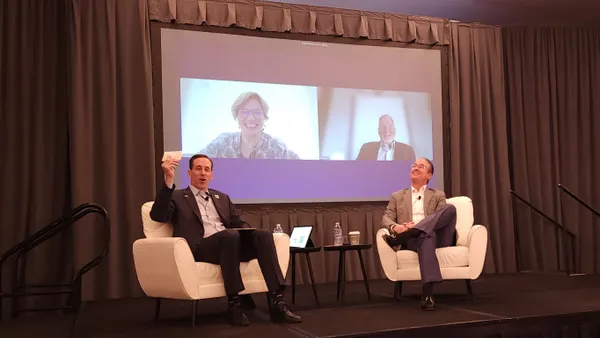
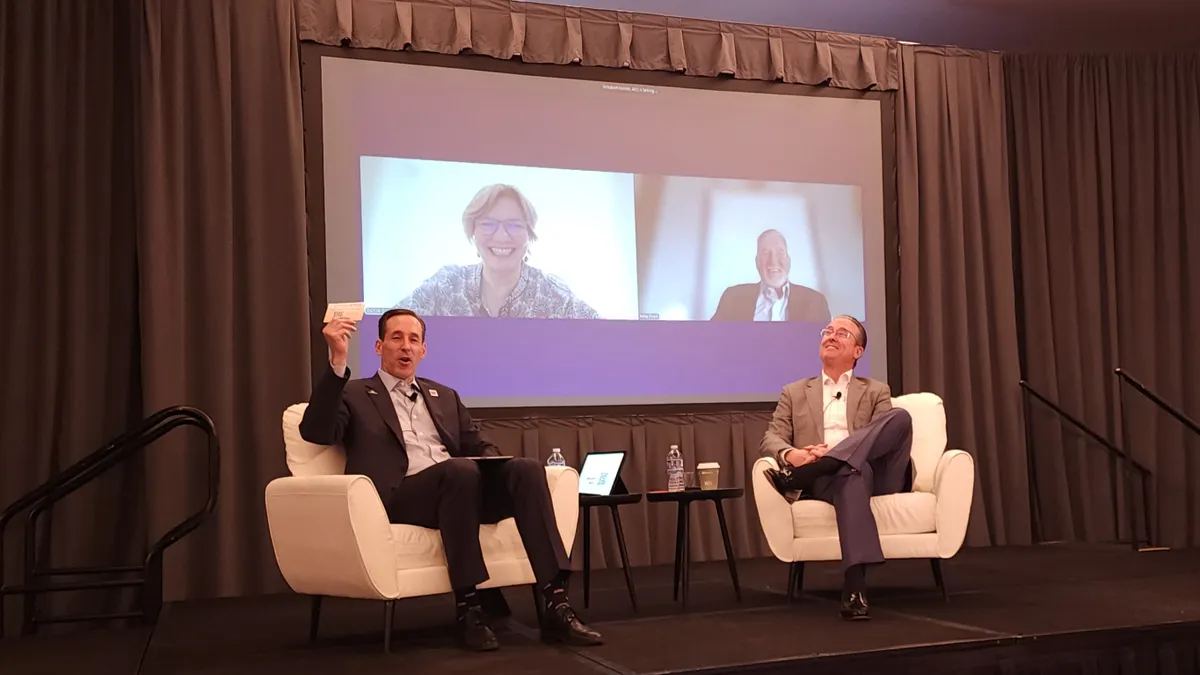
The panelists included Olin President and CEO Kenneth Lane; Chemours President and CEO Denise Dignam; and Michael Finelli, Syensqo’s chief technology and innovation officer and chief North America officer. Chris Jahn, ACC’s president and CEO, served as the moderator.
The heads of the chemical companies said that the regulations lack a strong scientific basis, which is affecting businesses. They also said their companies work with regulators to improve the safety of their products and how they are manufactured and used. However, they want regulators to use “gold standard science.”
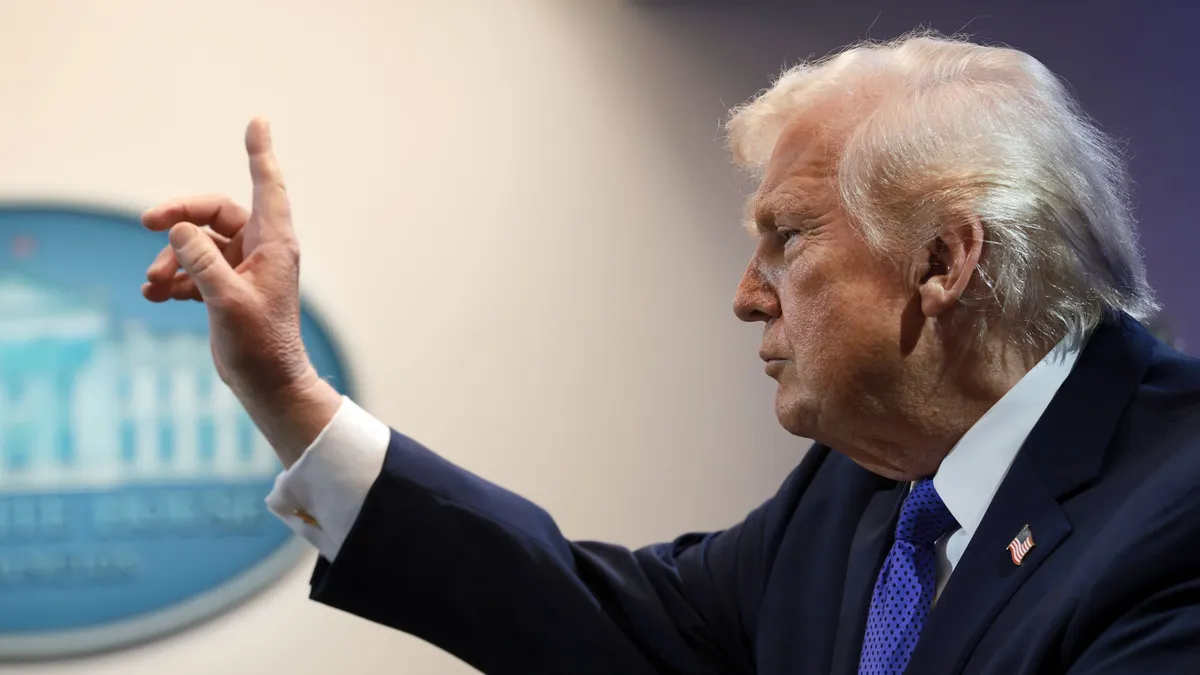
President Donald Trump signed an executive order in May 2025, dubbed “Restoring Gold Standard Science,” that aims to regain and maintain trust in science. The directive also mandates that federal agencies, such as the EPA, base their decisions on “the most credible, reliable, and impartial scientific evidence available.”
“I think a lot of people think the chemical industry doesn’t want to be regulated,” Finelli said. “Quite frankly, it’s foundational for us. It’s guiding principles. It’s having sound chemical practices. These actually guide our investments in worker safety, but it’s also a North Star for us.”
“When I think about trust, it’s about being transparent, science-driven, and also being accountable for how our products are made and how they impact the members of our team, but also our communities and environment,” Dignam said.
Lane said regulations such as the Toxic Substances Control Act impact existing chemicals Olin makes, such as methylene chloride, which is used to produce refrigerant chemicals, adhesives, sealants and automobile products. The chemical was one of the first toxic substances to be reviewed under TSCA and the EPA determined in 2022 that methylene chloride is “an unreasonable risk of injury to health under its conditions of use.”
“That’s effectively been banned with the rulings that came out,” Lane said. “That has a big impact, not just from the standpoint of the ‘golden’ position, but many smaller companies are impacted by that. You’re effectively putting them out of business.”
Lane added that this regulation leads to “lots of unintended consequences” by not using the “gold standard” science or methods to assess products “in a way that’s achievable.” Lane also said that “a lot of noise” in the industry is not helping the public become safer.
“From my perspective, this is a lot more about here and now, what’s happening with some of these recent rulings, because it’s setting some precedents that really concern me,” Lane said. “Not just as a CEO, but as a citizen that depends on a lot of the products that we make for all the applications, whether it’s health care, whether it’s safe water, whether it’s for defense, all of these things you got to do in a way that is that’s practical.”
Lane also said that most of Olin’s manufacturing facilities are located in the U.S., as well as Europe and Asia. He added that the EU is “overregulated,” but the opposite is happening in Asia.
“Particularly in China, where you see they have now become an exporter of many chemical products, and they’re doing that on the back of embargoed oil that's coming in from other countries at a discount,” Lane said. “That’s how they're staying relevant economically. But at the same time, they're undermining a lot of the companies in the West and their competitiveness to be able to compete in the global market.”
Olin is looking to invest in a new polyvinyl chloride plant in the U.S., but Lane said the company has not been able to get clarity on the regulatory requirements for obtaining the permit due to a “long-standing rule” in place.
“We’re trying to figure out, how do we work together with regulators to correct something that occurred 15 years ago that put some data in place that makes it impossible to be able to reach the maximum achievable control technology for producing PVC,” Lane said. “That we’ve got to be able to address very quickly in order for us to make a [50-year] decision.”
The PVC facility would also be Olin’s biggest investment in the U.S.
“We want to get on that, but we can’t do it until we get some regulatory clarity,” Lane said. “So we’ve had to put that project basically on hold until we can work through this.
Finelli said he fears the U.S. is heading toward a path similar to Europe’s chemical industry, citing the European Chemical Industry Council’s report on chemical plant closures released in January. The trade association found that chemical plant closures in the EU surged “sixfold” between 2022 and 2025, reaching about 37 million tons, or 9%, of production capacity. The closures resulted in 20,000 job losses in the chemical industry.
Moreover, the report stated that new investments have slowed due to growing concerns about the EU's chemical industry's competitiveness and “long-term viability.”
“That's catastrophic. You don't recover from that,” Finelli said.