Two major labor unions representing about 6,000 workers voted to ratify their contracts at two Fortune 1,000 companies on Sunday.
Dauch Corp.
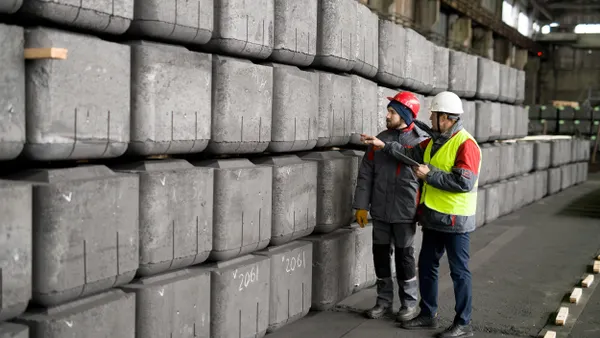
Nearly 1,000 employees represented by the United Auto Workers Local 2093 voted on Sunday to ratify a four-year contract with Dauch, formerly known as American Axle & Manufacturing, ending a two-week workers strike at the General Motors supplier’s facility in Three Rivers, Michigan, according to a press release.
Workers returned to work on Monday, resuming operations.
“UAW Local 2093 showed one thing to be truer than ever: strikes work,” UAW President Shawn Fain said in a statement. “And American Axle proved something else to be as true as we’ve always known: the industry can afford our demands. From the time we walked off ten days ago to this tentative agreement, the company more than doubled the money on the table. Labor is our power and we can’t sell ourselves short in this economic crisis we’re facing.”
Negotiations were strained prior to the union-represented workers walking off the job June 1. UAW Local 2093 filed federal unfair labor practice charges last month against Dauch for allegedly threatening and intimidating union members organizing for a fair contract.
The local also accused the company of calling the police on its employees, as well as allegedly threatening workers with termination and trespassing if they continued to distribute union literature, buttons and stickers at the employee entrance, according to the filed charges.
Lockheed Martin
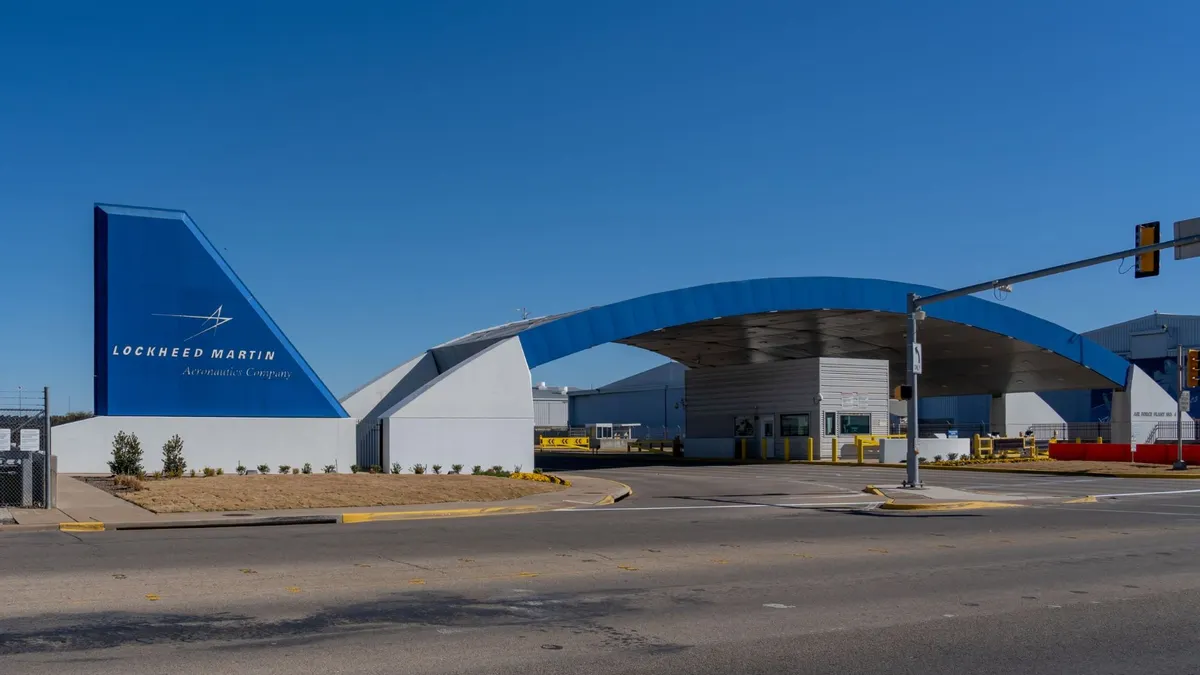
About 5,000 workers represented by International Association of Machinists and Aerospace Workers District 776 voted on Sunday to ratify a five-year contract with Lockheed Martin at the defense contractor’s F-35 fighter jet facility in Fort Worth, Texas.
The Machinists union in the district also represents employees at Naval Air Station Pax River, Maryland; and Edwards Air Force Base, California. The contract between the two parties expired June 14 and the new contract went into effect on Monday, covering all three plant sites.
The company is “pleased” that IAM-represented workers approved the contract, Lockheed said in an emailed statement.
“As reflected in our longstanding partnership, this agreement upholds Lockheed Martin’s competitiveness and ability to fulfill commitments to customers and employees alike,” the defense contractor said. “The agreement rewards our employees’ commitment to delivering unmatched capability and allows us to continue serving our customers and our national security needs.”
The new five-year contract includes wage increases of up to 40% through 2030, more vacation days, no mandatory overtime, improved retirement benefits as well as a $6,000 ratification bonus.
IAM District 776’s bargaining unit also secured annual healthcare cost caps of no more than 10%, factory role upgrades and a $25 increase to the safety glasses allowance, according to a contract summary.
“Being the nation’s largest defense employer, Lockheed needed to offer an agreement that the membership felt they needed to keep Lockheed at the top,” IAM Resident General Vice President Jody Bennett said in a statement. “Our membership made their wishes clear from the start. The negotiating committee took those wishes to heart and worked to bring a solid proposal to the membership for consideration.”
Lockheed’s F-35 supply chain supports over 254,000 jobs, with about 1,800 suppliers spanning 48 states and Puerto Rico, according to IAM’s website. Recently, the U.S. Navy awarded two contracts valued at over $3 billion to Lockheed’s aeronautics division, headquartered in Fort Worth.
The Navy’s $879.1 million contract announced in May was for the delivery and production of aircraft armament equipment that includes various missile launchers, bomb racks, gun systems, pylons and adaptors to support F-35 aircraft delivery schedules for the U.S. Air Force, Marine Corps, Navy and foreign militaries.
Another Navy contract, valued at $2.3 billion, includes initial engineering and technical sustainment services for the F-35 Lightning II Joint Strike fighter air systems, with 85% of the work performed in Fort Worth and the remaining 15% in Orlando, Florida.
Editor’s note: This story was updated to include a statement from UAW.