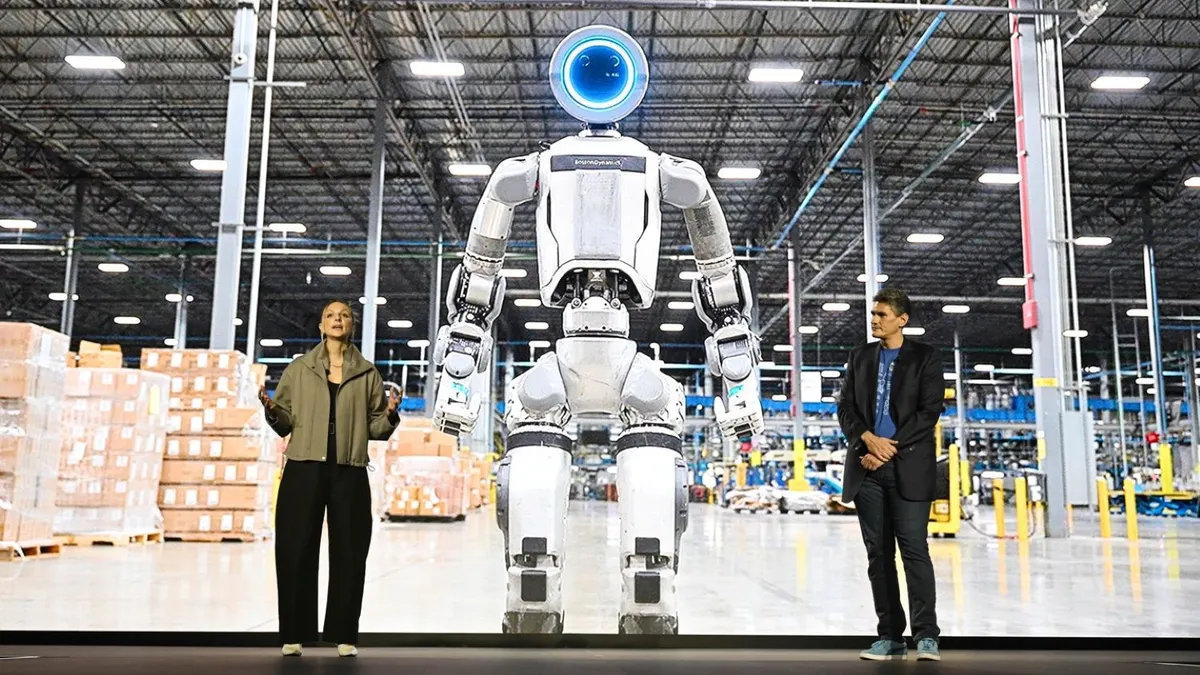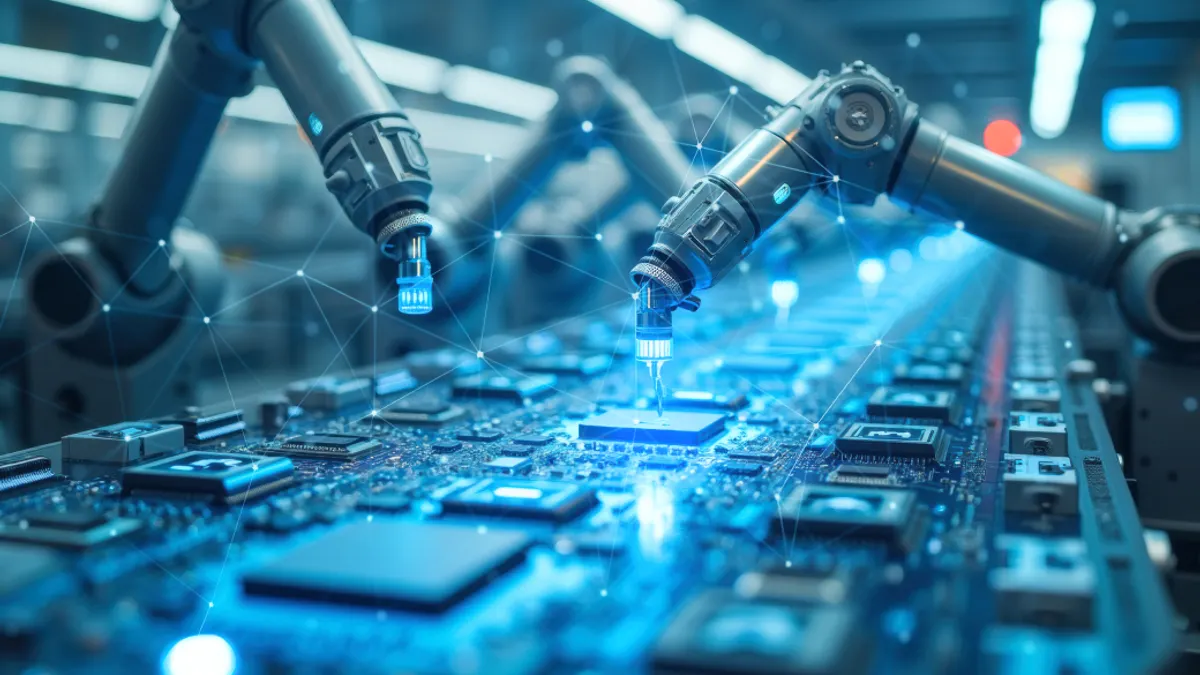

Connectivity, data and automation now directly shape modern manufacturing. They impact how efficiently factories run, how consistently products are made and how reliably operations stay online.
For manufacturing CIOs, this shift has moved digital systems squarely into center stage. Jayakrishnan Pandarinathan (Jay), Regional Head of Enterpise Business - Central Region, at Tata Communications explains: “Manufacturers are now focused on how physical outcomes on the factory floor align with digital decisions in real time.”
But when systems fail, the consequences are immediate – disrupting production and impacting safety. Unplanned downtime now costs manufacturers about $260,000 per hour – driving roughly $1.5 trillion in global annual losses.
Drawing on its work with manufacturers worldwide, Tata Communications sees these pressures converging around four forces that now define the CIO agenda. Collectively, these forces are known as SNAP:
- Simplification imperative
- Network as a strategic asset
- AI readiness
- Precedent-free leadership
The challenge for manufacturing CIOs lies in how to harness these forces to drive reliability, efficiency and continuous improvement at scale.
S – Simplifying complexity across connected factories
Manufacturing environments have become increasingly complex, as IoT, robotics and cloud platforms are layered onto legacy operational systems, increasing integration and security challenges.
As Jay explains: “Simplification has become a key theme for manufacturers. After years of onboarding multiple platforms, partners and systems, the priority now is creating a single pane of glass that allows leaders to actually make business decisions, not just manage complexity.”
In practice, simplification is about standardizing and stabilizing the digital foundation beneath innovation. This means harmonizing architectures across plants, reducing fragmentation between IT and OT systems, and improving visibility from the factory floor to the enterprise.
N – Network as a strategic production asset
In connected manufacturing, the network has become a critical production asset, with connectivity directly shaping the reliability and performance of real-time, AI-driven operations.
To harness this force, CIOs must treat connectivity with the same rigor as physical production assets. This involves prioritizing resilient, low-latency networks that can support deterministic performance at the edge, while reliably connecting factories to centralized platforms and cloud environments.
This shift is already influencing how leaders think about network investment. “The network is going to become sexy again,” says Rajarshi Purkayastha, Vice President of Pre-Sales for the Americas at Tata Communications. “A growing portion of the transformational IT budget will be spent on networking. Eventually, networks will become cognitive. This means they’ll be able to self-diagnose issues and self-heal problems.”
A – AI readiness for industrial operations
AI is also moving rapidly into manufacturing operations, with use cases spanning quality inspection, predictive maintenance and forecasting – promising efficiency gains, but demanding fast, reliable access to data.
Harnessing AI readiness in manufacturing depends on whether data can be processed and acted on in real time. High-capacity, ultra-reliable connectivity between edge environments, factories and cloud platforms are essential to ensure AI enhances operations without introducing delay or risk.
One global manufacturer has begun deploying AI-powered assistants to guide customers through complex design decisions, reducing development timelines and improving productivity – signaling how AI is moving from experimentation to scalable, customer-facing impact.
Jay says: “The next 12 to 24 months will be about turning massive volumes of manufacturing data into practical, production-ready use cases.”
P – Precedent free leadership
Overlaying all of this is the fact manufacturing CIOs are directly accountable for de-risking operations, enabling 24/7 uptime and supporting continuous optimization in environments, while simultaneously facing pressure from boards and CEOs to adopt emerging technologies such as AI.
Purkayastha continues: “Many AI projects haven’t delivered the value that leaders had hoped for. What has happened is that the loudest and flashiest ideas are the ones that are getting attention, not the ones that can solve real-world problems for individual organizations. Today’s CIOs need to make decisions based on what’s right for their own companies, clients, and employees. Sometimes this will feel like swimming upstream.”
To harness this force, successful CIOs need to start with clear, business-driven use cases and focus on stability and repeatability in their business. Working with the right partner to simplify the design, deployment and management of new technologies also helps leaders stay focused on outcomes that truly improve manufacturing performance.
Turning manufacturing forces into advantage
Manufacturing is entering an era where digital systems are inseparable from physical production. Fragmented approaches no longer hold: uptime, intelligence and leadership must advance together. Those that align these four forces across the shop floor and enterprise will turn complexity into sustained operational advantage.
Tata Communications works with manufacturers globally to support secure, resilient connectivity across factories, edge environments, cloud platforms and global operations – helping CIOs simplify complexity and build always-on digital foundations for the connected factory.