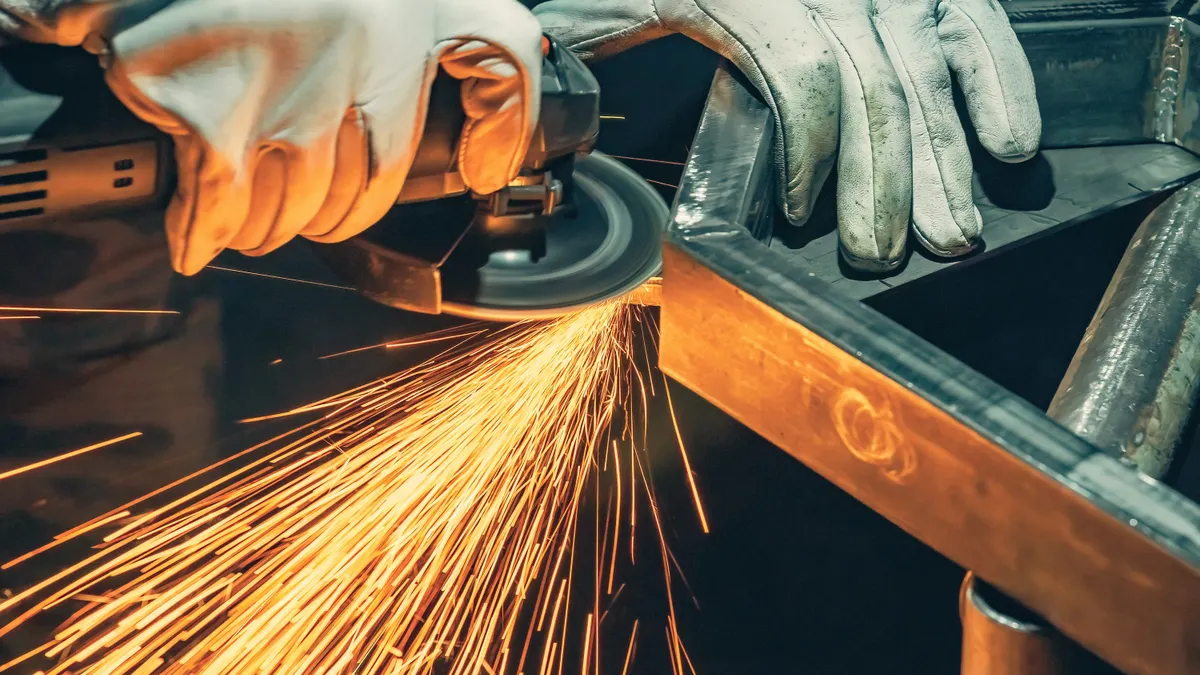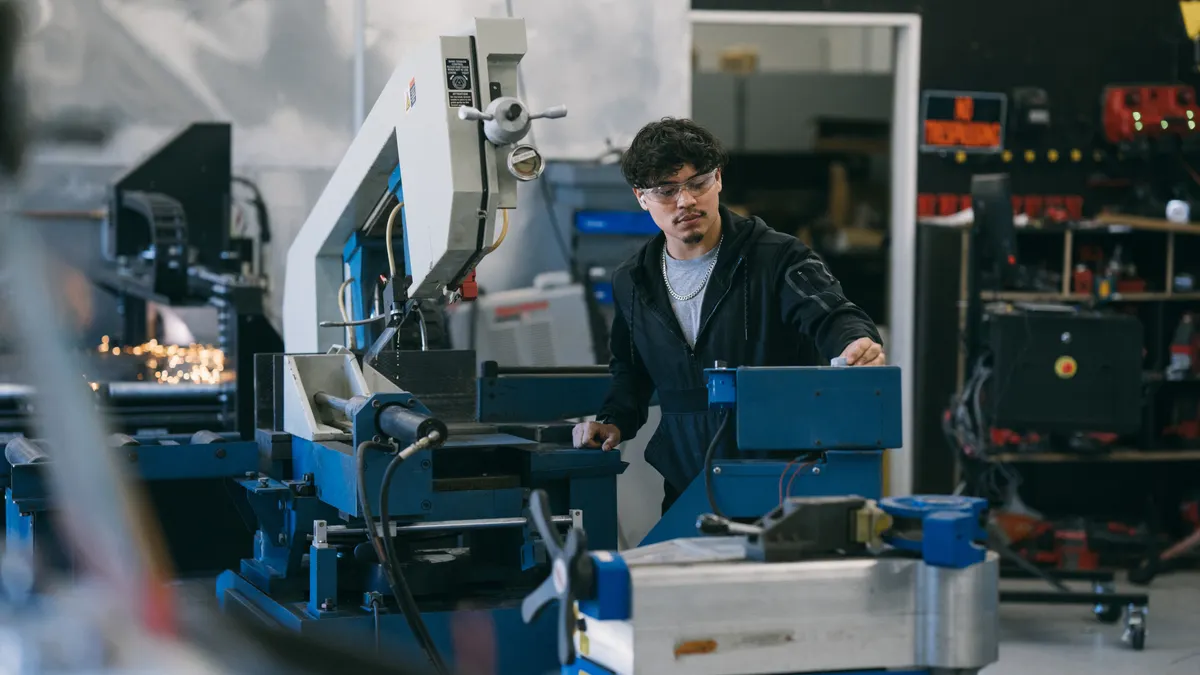

For those of us who love big machines, walking through a manufacturing plant as production starts and watching the electrical system go to work is always a thrill. CNCs, welders, presses, laminators and large motors come online one after another. The overlapping demand creates sharp spikes in power draw and a sudden voltage dip can trip equipment mid-job.
A power load doesn’t need to be a steel mill or data center to cause expensive problems. A brief voltage dip can stop a CNC mid-part or shut a packaging line for hours. A single 15-minute peak can set a facility's demand charge for the month.
In a modern plant, the machines are impressive, but the power feeding them often decides whether a run finishes or stalls halfway through. Those plant-level power problems are part of a larger shift in the energy landscape, as huge new loads from AI data centers reshape regional grids.
A familiar problem at a new scale
Right now, much of the attention in grid management is going toward solving the data center problem, with some important evidence showing that adding on-site energy infrastructure to manage variable loads is a smart investment. A recent University of Utah study found that giving data centers more flexibility could save the Western grid an estimated $62 million a year in operational costs through off-peak scheduling alone, rising to $590 million when regional routing, onsite generation and battery storage are added. As researcher Mohammad Amin Mirzaei put it, "Instead of shipping electricity across overloaded lines, you ship the computation."
Manufacturers don’t have that freedom. A fabricator or packaging plant can’t shift production to another region when the local grid is strained. Its flexibility has to come from scheduling, controls and by keeping the energy onsite.
The grid is changing too. Conventional power plants use large turbines and generators whose rotating mass acts as a shock absorber against sudden frequency swings. As they retire and more power comes through electronics rather than spinning machines, that cushion shrinks and the grid needs faster-responding resources to stay steady.
Start with protecting production
A well-designed storage system can respond in a fraction of a second, before a voltage dip becomes a tripped line or a ruined batch. It can steady voltage when large motors start, trim the demand spikes that raise the bill and carry sensitive equipment through short disturbances.
The energy savings are significant. The bigger payoff is usually the run that does not stop, the batch that survives and the equipment that lasts longer.
The same system can do a second job beyond the plant. Where the utility's programs allow, it can answer demand-response calls, easing the plant's draw or feeding power back when the grid is strained. That makes the plant a resource the utility can rely on.
Match the technology to the event
The right design depends on the shape of the problem. Batteries suit events that last minutes to hours. At Torus, we add mechanical inertia to our battery energy storage systems. The idea behind a flywheel is centuries old: store energy in a spinning mass. Pair that old principle with modern power electronics and a flywheel can absorb or release power in milliseconds. That speed delivers voltage and frequency support while sparing the battery from sharp, repeated cycling that ages it faster.
Run together, the flywheel takes the fast, repeated hits and the battery handles the longer stretches. We help plant leaders make technology decisions to address their power issues, usually in partnership with the local utility.
Plant leaders should ask three questions:
- What is actually costing us money? Start with meter data, power-quality logs and downtime records. A demand-charge problem, a voltage-dip problem and an outage problem each need a different design.
- How fast and for how long, must the system respond? Power and energy are not the same thing. It must be sized for both the size of the event and its duration.
- What will the local utility support? Interconnection rules, rates and programs vary widely. Bring the utility in before the design is final.
Turn the experience into an asset
Our Torus equipment is built in Utah, monitored and supported around the clock and designed to go from signed contract to operation in 12 to 16 weeks. That speed gives a manufacturer another option while longer-term grid upgrades move forward.
Manufacturers already understand power. They have spent decades managing difficult loads alongside their utilities. Major grid upgrades and critical electrical equipment can take years to add. As AI and other large loads accelerate demand, manufacturers and utilities alike need options they can put to work quickly. The opportunity is to turn that hard-won experience into an asset for the plant and the grid.