Drew Crowe had been incarcerated multiple times and was stuck in a vicious cycle, as he described it: getting “locked up,” lacking skills and having no idea how to craft a resume or secure a job. Crowe found a turning point when a manufacturing employer hired him to work as a third-shift saw operator.
“It kept my mind busy. It kept my body busy,” he said. “It gave me purpose.”
Crowe now leads the New American Manufacturing Renaissance, which consults and advises manufacturers on hiring formerly incarcerated individuals, a process known as second-chance hiring.
His journey underscores the opportunity that manufacturing affords to people coming out of the prison system, due to the industry’s focus on skill building for workers in entry-level jobs and its push to recruit from a broader array of talent to mitigate workforce shortages.
The number of manufacturing employees has dropped sharply since 2000, and the industry had 409,000 job openings this August, according to the latest Bureau of Labor Statistics data. By 2033, manufacturers could face a shortage of 3.8 million workers, said Pooja Tripathi, senior director of workforce innovation at the Manufacturing Institute.
As a result, manufacturers are getting “more creative and thoughtful about recruiting from nontraditional talent pools,” Tripathi said. That includes hiring individuals with a record — referred to as justice-involved or justice-impacted people — a group that includes approximately 77 million people in the United States.
Manufacturing gives a second chance
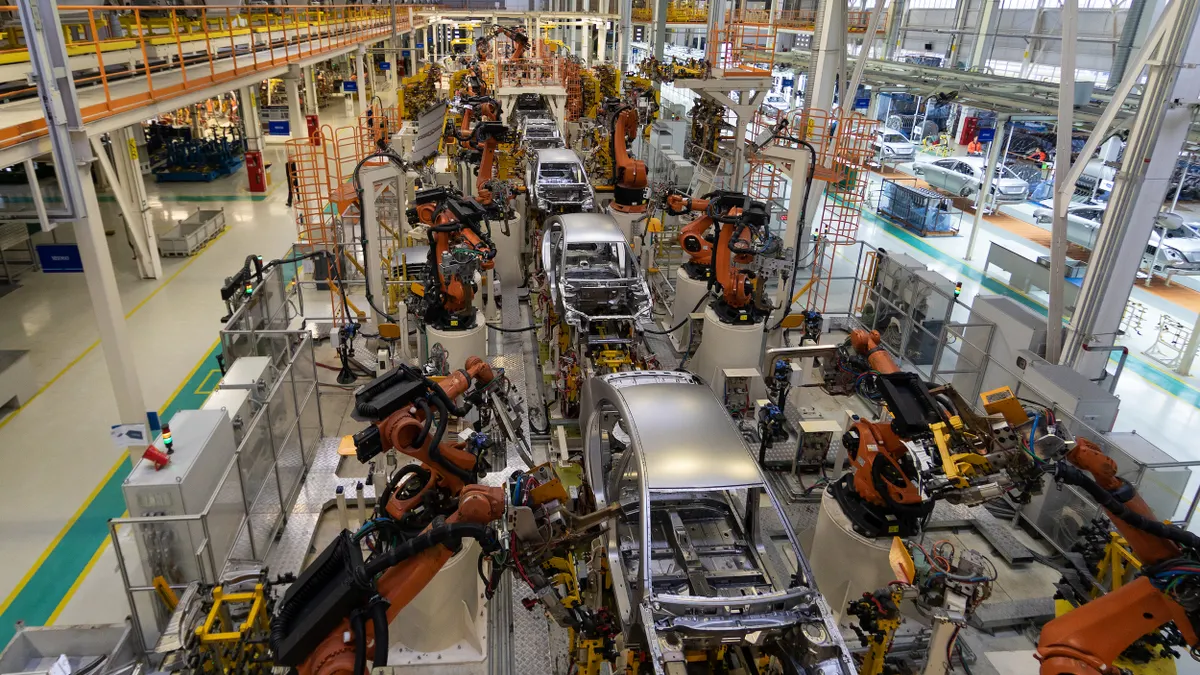
Manufacturers in various sectors have undertaken second-chance hiring initiatives. Mursix, which produces parts for automotive, medical and industrial markets, has hired associates to work in its stamping, assembly and shipping departments. JBM Packaging in Ohio works with state corrections facilities to identify people who are soon to be released and could be recruited for open jobs.
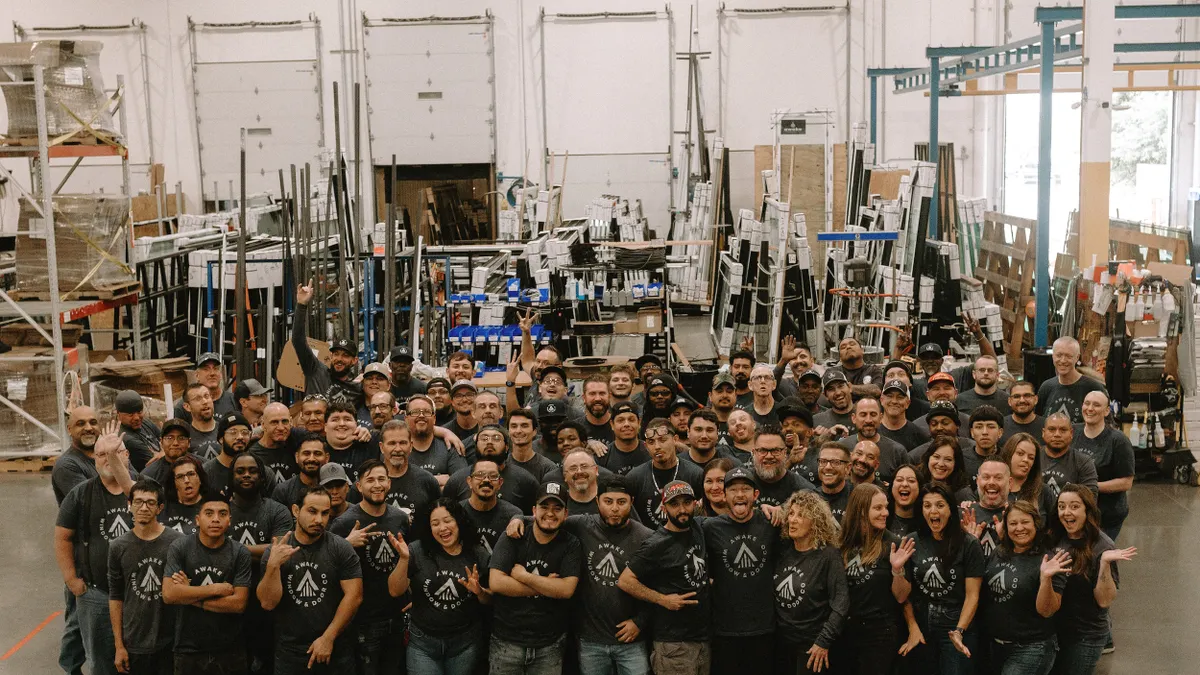
Awake Window & Door Co., which makes products such as sliding doors and window walls, found that second-chance hiring opened the doors to more talent, said Maria Gates, the company’s cofounder and chief people officer. Today, 54% of Awake’s staff has a “justice-involved background,” Gates said.
The justice-involved candidates Awake brings on are “extremely hard-working, dedicated employees,” Gates said. “They know what it's like to job search with a background, and they are so grateful for the opportunity to prove themselves in the workplace.”
Crowe’s own experience reflects that. In his first manufacturing job, he would show up 15 minutes early, then stay an hour late to meet people on the next shift and ask them questions, he said. As a whole, justice-impacted hires show more loyalty to their employers with higher retention, according to Crowe.
“The ROI is exponential for manufacturers, and the investment is really low,” Crowe said.
Employees with records often have the lowest turnover rates of all workers, according to the National Association of Manufacturers.
In 2024, staffing firm Kelly filled more than 2,000 jobs at 17 clients with justice-involved individuals. The firm runs a second-chance hiring program called Kelly 33, in reference to the 33% of working-age Americans with a criminal history. Monthly turnover for this group was just 9%, which is lower than average, said Marvin Figaro, director of DEI strategic partnerships at Kelly. On top of that, the time to fill positions fell to 11 days from 21 days.
Figaro said manufacturing, specifically, is “a great entry point for justice-involved talent” because of the opportunity to learn on the job. Gates added that most manufacturing roles aren’t customer facing, which allows companies to hire “more sensitive backgrounds that may not be a good fit for customer-service type jobs.”
Manufacturing is skills oriented and “more open-minded about developing talent” compared to industries focused on higher education degrees, Tripathi said. In correctional facilities, many people also receive manufacturing-related training, which prepares them to work in the industry.
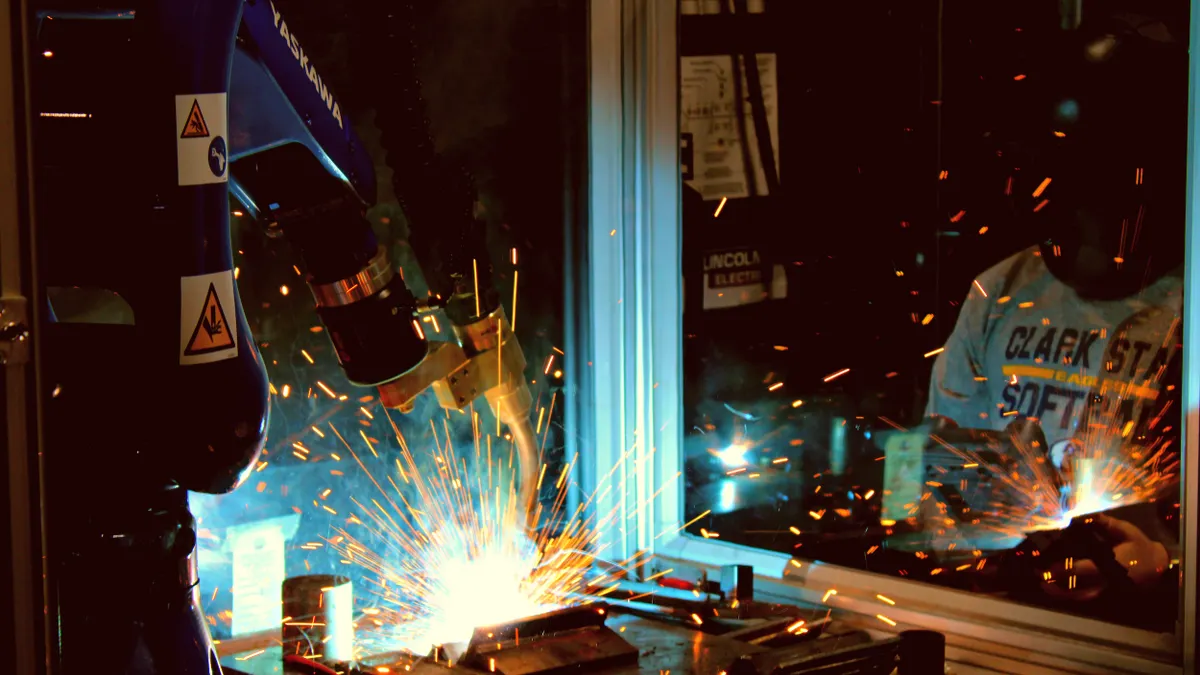
In the end, manufacturing is about solving problems, which Crowe said justice-impacted individuals excel in. Case in point, one justice-impacted employee at North American Stamping Group implemented a new process in welding that improved part failure rates up to 90%.
“The most innovative thinkers that I've been around have been in the cell,” he said.
Support on the job
Companies considering second-chance hiring have to make decisions about their practices, as well as any programs they want to implement to support formerly incarcerated people.
Several manufacturers, including General Motors, Micron, Procter & Gamble, PepsiCo and Texas Instruments, have joined the Second Chance Business Coalition, committed to advancing the practice in their organizations. More than 80% of coalition members now review candidates without putting a hard stop on hiring those with certain types of convictions, and 70% have adjusted their HR policies to be more inclusive of second-chance employment.
Gates said manufacturers looking into second-chance hiring may want to have mentorship programs or offer life-skills classes and budgeting workshops to help individuals adjust. Educating company leaders on some of the unique needs of formerly incarcerated people is also critical. For example, companies need to train managers and HR departments to understand that meeting with a parole officer during the workday is an excused absence.
Crowe initially had weekly visits with his parole officer. “I had to go see them during my work shift because they weren't flexible,” he said.
There are also some potential legal or ethical risks to consider. If an open job involves going to customers’ homes or driving a company vehicle, Awake Window & Door will examine on a case-by-case basis if an individual with a criminal background should be placed into that role.
Kelly’s Figaro said some companies are worried about negligent hiring risk, in which an employer could be held liable in a civil suit if the company hired someone likely to harm others. However, over nearly 50 years, just 435 cases resulted in employers being held liable for negligent hiring in the U.S., according to a 2023 report by the Legal Action Center.
Perhaps the biggest pushback to second-chance hiring is the stigma associated with hiring justice-involved individuals. Figaro has heard companies express concerns over safety and workplace violence or theft.
“The reality is that justice-involved talent are no more or less likely to cause an increase in these incidents than someone who is not justice-involved,“ Figaro said.
Gates said Awake has never had safety issues related to second-chance hiring. The manufacturer still conducts background checks for each hire and a “green factors interview,” in which HR looks at the progress a person has made during their time in prison and since their release.
The Manufacturing Institute’s Tripathi sometimes encounters manufacturers that are hesitant to engage in second-chance hiring. Much of that stems from a lack of familiarity.
“Deciding to invest in second-chance hiring is often the first time manufacturers are working up close with the justice system,” Tripathi said, noting that manufacturers become more comfortable with the idea when they realize the potential benefits and learn how peers have participated in second-chance hiring. “It becomes a source of pride that they are helping people rejoin society and contribute to their communities.”