Manufacturers are searching for economic certainty and stability following the U.S. Supreme Court’s ruling on Friday, which upended the Trump administration’s authority to use emergency economic powers to enact tariffs worldwide.
The court struck down President Donald Trump’s sweeping use of tariffs under the International Emergency Economic Powers Act in a 6-3 decision. The ruling, however, has no effect on tariffs enacted under Section 232 and other authorities available to the president.
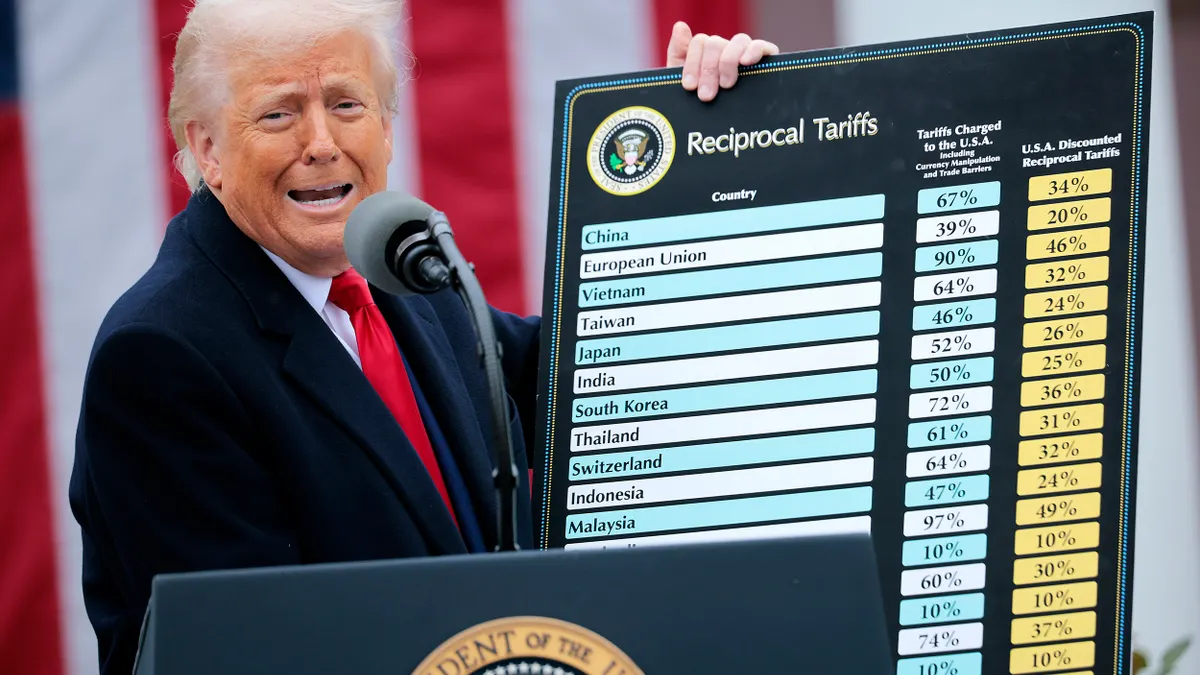
Shortly after the court’s decision, Trump moved to place a 10% surcharge on U.S. imports under Section 122, essentially imposing the IEEPA tariffs through a different vehicle. He also signaled that he would raise the rate to 15% “effective immediately,” but no official documentation has been published yet.
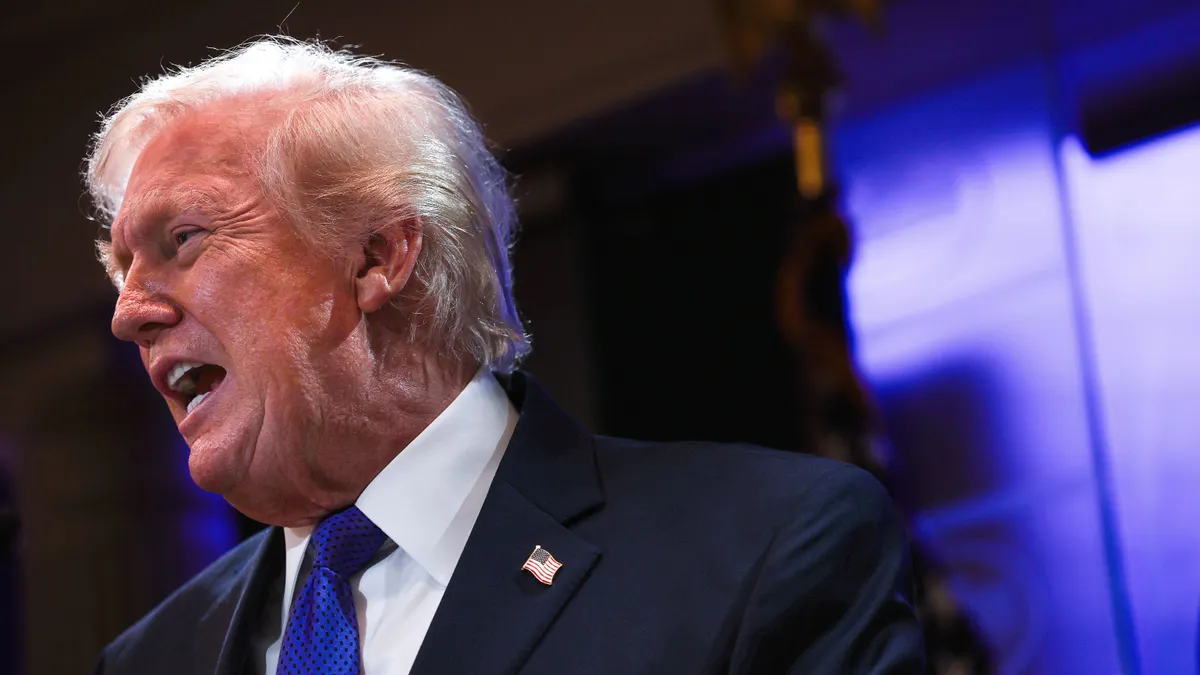
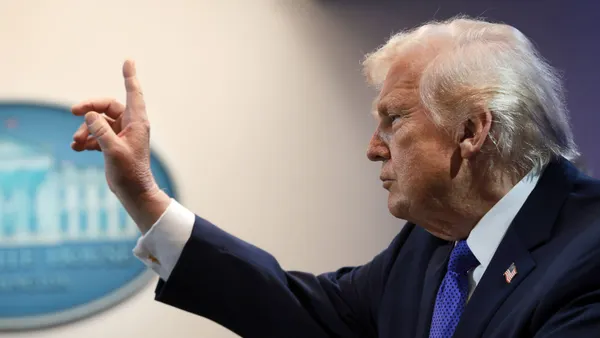
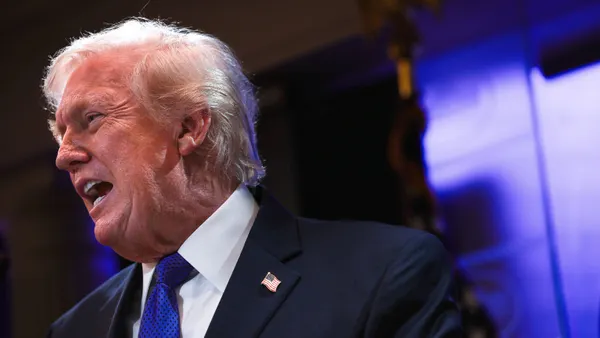
“Their decision was ridiculous but, now the adjustment process begins, and we will do everything possible to take in even more money than we were taking in before!” Trump said about the court’s decision on Truth Social Friday.
Several manufacturing groups asked for more economic certainty and discretion when it comes to tariffs. They also praised the administration’s success in driving new investment in the United States, tearing down trade barriers and reopening markets once closed to U.S. producers.
“Ongoing legal and policy uncertainty makes it more difficult to make the long-term decisions that drive American competitiveness,” National Association of Manufacturers President and CEO Jay Timmons and Rockwell Automation Chairman Blake Moret said in a joint statement Friday.
“Now is the time for policymakers to work together to provide a clear and consistent framework for trade,” they said, adding that if “tariffs are utilized as a tool, they should be targeted to countries engaged in specific unfair trade practices, particularly by nonmarket economies.”
Government officials have been preparing for the Supreme Court’s decision for months. Despite the outcome, Aaron Cummings, a shareholder at Brownstein, a national law firm and lobbying agency, said in an interview that Trump will likely continue to carry out his tariff and trade policies as usual. However, this time he will use other authorities such as Section 122 and 301.
“Many companies are going to kind of adopt a ‘wait-and-see’ approach to try and see, well, what is it that comes next? What does that look like? And this will probably delay their decision-making somewhat, because companies want certainty above all,” Cummings said.
The court’s decision had no effect on tariffs enacted under Section 232, such as steel and aluminum. Trump can use that authority to impose tariffs on imports deemed a threat to national security. So far, the tariffs have been a net positive for the domestic metals industries, according to the Steel Manufacturers Association.
The U.S. has surpassed Japan in steel production for the first time since the 1990s, and the tariffs have spurred more than $25 billion in investments to upgrade facilities and expand domestic capacity, SMA President Phillip Bell said in a statement. Kevin Dempsey, president and CEO of the American Iron and Steel Institute, called the Section 232 tariffs “essential” to preventing “harmful” imports from entering the U.S.
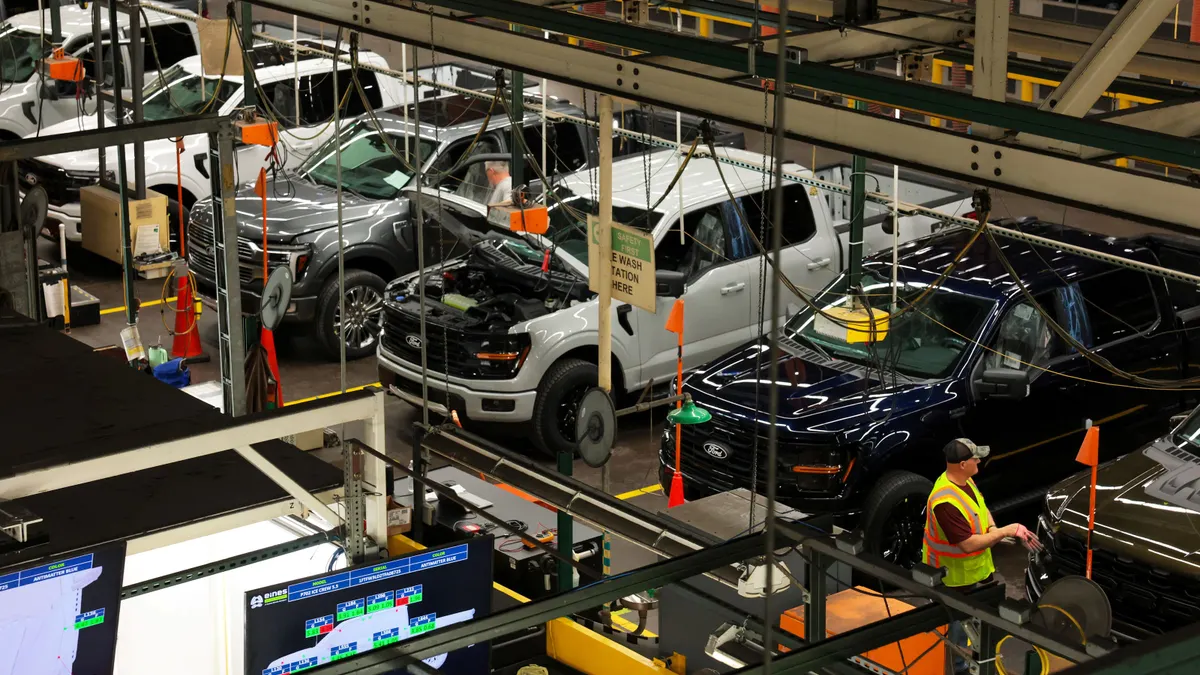
Manufacturers that rely on imports from other countries, due in part to supply chain limitations, have faced increased costs and stresses from the president’s tariffs.
“Building new facilities and bringing production home takes time,” Debra Phillips, president and CEO of the National Electrical Manufacturers Association, said in a statement. “Today, many critical components and raw materials are still not available at scale domestically.”
“NEMA continues to support a predictable, targeted approach to tariffs that provides certainty for manufacturers and aligns trade policies with domestic manufacturing and infrastructure objectives,” Phillips added.
Other groups are evaluating the effects of the Supreme Court’s decision and what it could mean for their industries. Thousands of companies in recent months filed lawsuits with the U.S. Court of International Trade seeking refunds on money collected from tariffs.
According to Yale University estimates, the administration has collected about $142 billion under IEEPA authority over the course of 2025. The Supreme Court did not weigh in on whether the federal government should provide refunds.
Cummings said he expects a flood of lawsuits in the coming weeks from companies that have been waiting on the Supreme Court’s decision before taking legal action. Trump on Friday signaled that his team will fight companies’ attempts to recover funds, saying “we’ll end up being in court for the next five years.”
“We are confident in Customs and Border Protection’s ability to move quickly and provide clear guidance to American businesses on how to obtain refunds for tariffs that were unlawfully collected,” American Apparel and Footwear Association President and CEO Steve Lamar said in a statement. “Now is the time to restore a predictable and dependable trade policy, compliant with the rule of law.”
Sara Samora contributed reporting to this article.