
The U.S. and Taiwan have come to terms on a trade and investment agreement that caps tariff rates on imports from Taiwan at 15%, according to a fact sheet from the Commerce Department.
The cap would apply to both reciprocal duties on goods from Taiwan and sector-specific levies, including those on auto parts, timber, lumber and wood derivative products, the Commerce Department said.
In addition, the Trump administration agreed to apply a zero percent reciprocal tariff on generic pharmaceuticals and their ingredients, aircraft components and unavailable natural resources.
However, the agency did not provide a timeline for when the new tariff rates would go into effect nor when the agreement would be finalized. The American Institute in Taiwan and the Taipei Economic and Cultural Representative Office in the U.S., each an unofficial representative office, signed the agreement, per the fact sheet.
Goods from Taiwan have been subject to a 20% reciprocal tariff since President Donald Trump imposed country-specific duties in August. Those tariffs, installed under a sweeping executive order, are currently facing Supreme Court review, with the high court expected to issue a ruling in the coming weeks.
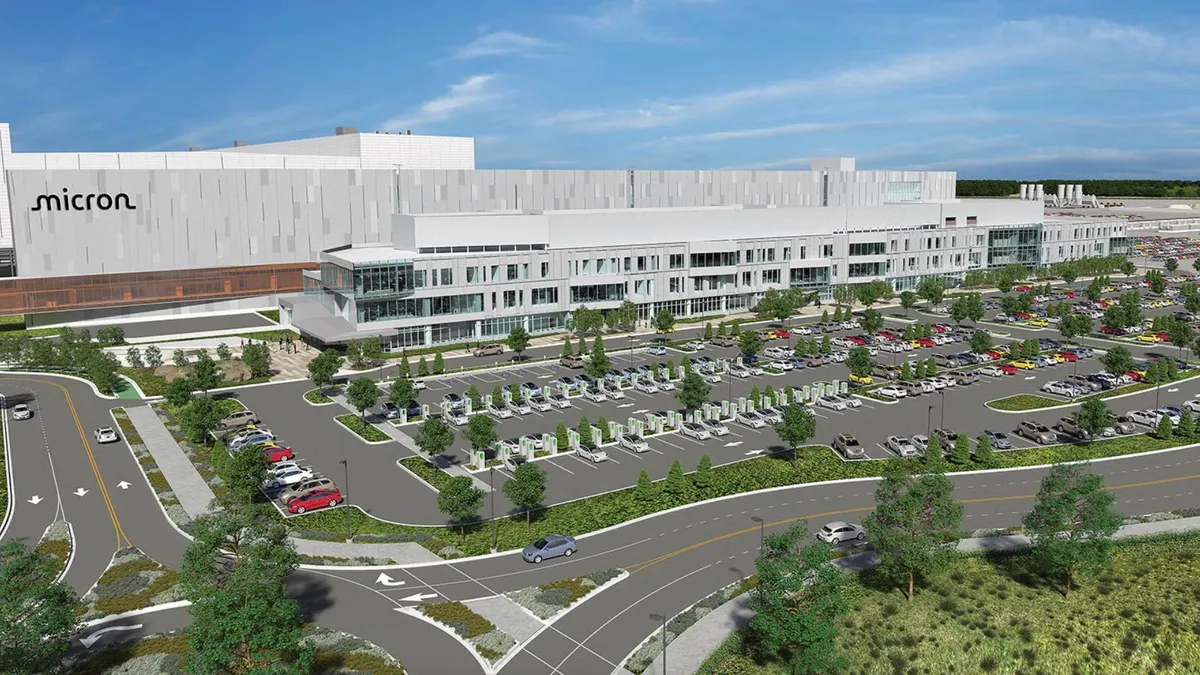
The pact also would allow Taiwan companies that build semiconductor production plants in the U.S. to avoid Section 232 duties on imports up to 2.5 times a site’s planned capacity during construction. The Trump administration would impose a lower, preferential Section 232 tariff rate for imports that surpass the quota, per the fact sheet.
Additionally, Taiwan companies that complete new U.S. chip production projects will be allowed to import 1.5 times the new production capacity without paying Section 232 duties.
Beyond tariffs, under the accord, Taiwan agreed to have its semiconductor and technology enterprises make $250 billion in direct investments to build and expand advanced semiconductor, energy and artificial intelligence production in the U.S., according to the fact sheet. Taiwan would also provide at least $250 billion in credit guarantees to facilitate additional U.S. semiconductor supply chain investments.