

New orders of metalworking machinery totaled $583.4 million in May, a 1.8% decline from April but a 47.8% increase year over year, the Association for Manufacturing Technology said in a news release.
During the first five months of 2026, manufacturing technology orders totaled $2.77 billion, a 31.9% increase over the same period in 2025, AMT said.
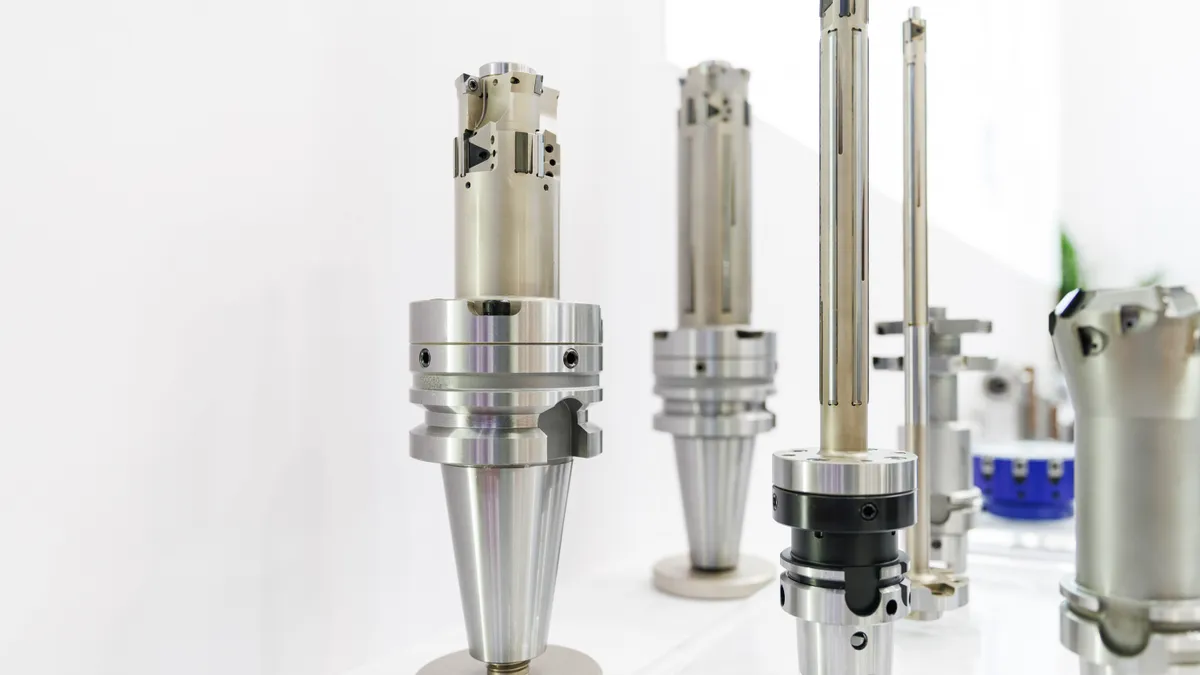
In addition, shipments of cutting tools totaled $239.8 million in May, the group said in a separate news release. The value of shipments decreased 7.4% from April but was up 15.2% year over year, while year-to-date shipments totaled $1.2 billion, up 16.8% year over year. The number of cutting tool units shipped decreased for the second consecutive month after rising in February and March, AMT said.
“Shipments dipped in May compared to the previous two months, which were very high and broke records, but were still very strong in nearly all categories reported,” Jack Burley, chairman of AMT’s Cutting Tool Product Group and president of cutting tool manufacturer Big Daishowa, said in a statement.
Carbide-based tools like drills and end mills “showed some noticeable increases in cost per unit – a clear indication that the carbide crisis, due to the lack of raw material, has increased costs for users,” he said. “The demand on the metal cutting industry to increase output has strained the already scarce supply of tungsten.”
New orders of metalworking machinery were measured by the U.S. Manufacturing Technology Orders Report published by AMT. Shipments of cutting tools were measured by the Cutting Tool Market Report, a collaboration between AMT and the U.S. Cutting Tool Institute.
Machinery overall was among the five manufacturing industries that expanded in June, according to the Institute for Supply Management’s latest Purchasing Managers’ Index. The other expanding industries included computer and electronic products; transportation equipment; chemical products; and food, beverage and tobacco products.
The war in Iran and other geopolitical turmoil “have caused much trepidation” among businesses and consumers, AMT said in the news release reporting new machinery orders. In particular, the continued closure of the Strait of Hormuz, a narrow sea passage serving as one of the world’s critical transit choke points for oil and other commodities, is causing serious supply disruptions for manufacturers.
However, “robust machinery demand is cause for optimism,” AMT said. “Investments in manufacturing technology signal that manufacturers expect to need additional productive capacity to meet growing demands on output.”
The group added that unit orders continue to lag order value growth, a trend it attributed in part to “normal market forces that affect pricing.” However, it said the growing demand for automation is a much bigger factor, as companies try to increase output to match higher demand while almost half a million manufacturing job openings remain unfilled.
Orders from contract machine shops, the largest manufacturing technology customer by industry, were nearly 10% below the average of the three prior months, AMT said.
It added that the aerospace industry has seen much of the recent order growth in this area, a trend that is expected to continue. Demand for industrial equipment was another bright spot, driven by data center construction and equipment.